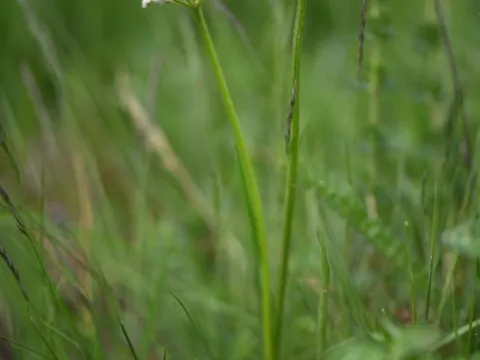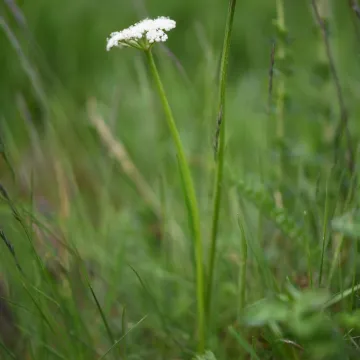
Endressia pyrenaica
Endressia pyrenaica
Description
Endressia pyrenaica is a perennial herbaceous plant belonging to the Apiaceae family. It is recognized for its unique adaptation to mountainous terrains and its aesthetic value in specialized horticultural settings, particularly within rock gardens that emulate its natural alpine habitat.
Originating from the Pyrenees mountains, this plant thrives in rocky slopes and high-altitude meadows. Its adaptation to such harsh environments has shaped its biological structure, making it a robust, albeit specialized, species for cultivation in climates that mimic its native high-elevation origin.
Botanically, the plant is characterized by finely dissected, delicate foliage that forms a basal rosette. During the flowering period, it produces clusters of small flowers arranged in umbels, which is typical for members of the carrot family. Its root system is deep and efficient at sourcing moisture from minimal soil pockets between stones.
Successful cultivation requires meticulous attention to soil structure. The primary prerequisite is extremely sharp drainage. Heavy, water-retentive soils will inevitably lead to root rot. Growers should use a gritty, nutrient-poor substrate that allows for rapid water percolation to ensure the plant's long-term survival.
While Endressia pyrenaica is largely resistant to common garden pests, it is vulnerable to fungal pathogens if kept in overly humid or stagnant conditions. Maintaining good air circulation and providing adequate mineral mulching around the collar of the plant are essential agrotechnical practices to prevent disease and promote vigor.
Photo gallery