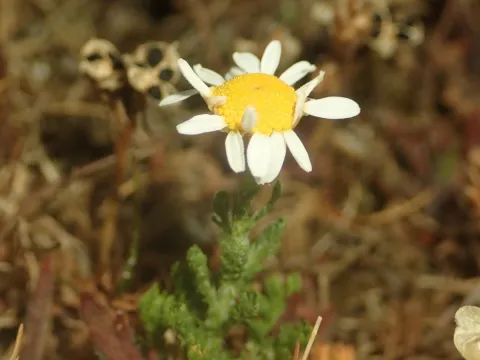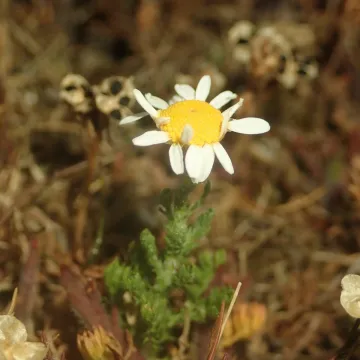
Roman chamomile
Chamaemelum nobile (L.) All.
Description
Roman chamomile (Chamaemelum nobile) is a perennial aromatic herb belonging to the Asteraceae family. Often referred to as "English chamomile" or "garden chamomile," it is distinct from Matricaria chamomilla due to its prostrate growth habit and perennial nature, making it a valuable crop for specialized agricultural sectors.
The plant is native to Western Europe and North Africa, thriving in regions with temperate maritime climates. Today, it is commercially grown in several European countries and parts of North America where soil drainage and sunshine are sufficient for high-quality production of its flowering heads.
Botany of the species features finely divided, feathery leaves and daisy-like flower heads. The entire plant is highly aromatic, emitting a sweet, apple-like scent when crushed. This unique chemical profile, rich in esters, makes it a premium raw material for the distillation of essential oils used globally in high-end cosmetic and medicinal formulations.
Cultivation requires specific conditions to ensure success. The crop prefers full sun and well-draining, slightly acidic to neutral soils. It does not tolerate waterlogged conditions, which can lead to root rot. Agronomic management involves consistent weed control and careful irrigation, especially during the establishment phase of the perennial crop.
Industrial utilization of Roman chamomile is extensive and focused on high-value products:
- Extraction of essential oil for luxury aromatherapy and perfumery.
- Production of standardized extracts for the nutraceutical industry.
- Formulation of soothing creams and sensitive skin care products.
- Ground cover applications for low-maintenance, fragrant sustainable gardens.
Crop health is often threatened by fungal issues such as powdery mildew and root rot, particularly in damp environments. Pests like aphids and spider mites can impact yields if not monitored. Integrated pest management, focusing on early detection and maintaining soil aeration, remains the best practice for sustainable production.
Photo gallery