Enkianthus deflexus
Enkianthus deflexus
Description
Enkianthus deflexus is a deciduous shrub belonging to the Ericaceae family. Known for its elegant habit and exceptional seasonal transitions, this species is a prized specimen for temperate gardens. It is particularly valued for its pendulous, bell-shaped flowers and the vibrant red or orange hues its foliage takes on during the autumn months.
Originating from the mountainous regions of East Asia, specifically China and the Himalayas, the plant thrives in cool, moist environments. In its natural habitat, it grows in understory conditions, which dictates its preference for partial shade and protection from harsh direct sun in cultivation. It is widely recognized by botanists for its distinct floral structure compared to other species in the genus.
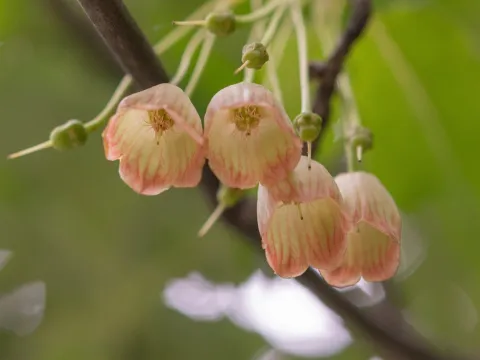
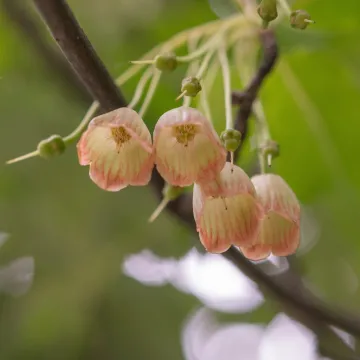
Botanically, it typically reaches a height of 3 to 4 meters, exhibiting a tiered branching structure. The flowers appear in late spring, appearing in clusters; they are characterized by a distinct outward-curving (deflexed) corolla. These flowers are usually creamy-yellow with prominent red venation, adding a sophisticated detail that contrasts beautifully with the lush green summer foliage.
The agrotechnical success of this species depends heavily on providing acidic soil conditions (pH 4.5–5.5). The substrate must be porous and enriched with organic matter, such as leaf mold or composted pine bark, to ensure proper root development. Proper drainage is essential, as the roots are sensitive to waterlogging, yet the plant requires consistent moisture, especially during the establishment period.
- Requires acidic, well-draining soil.
- Prefers partial shade for optimal growth.
- Benefit from consistent mulch to retain moisture.
- Minimal pruning required to maintain shape.
- Generally hardy but benefits from shelter from cold winds.
In terms of health and protection, Enkianthus deflexus is remarkably resistant to many common pests. However, high soil pH can lead to iron chlorosis, which presents as yellowing leaves while veins remain green. Gardeners should monitor for common sap-sucking insects during extended dry periods and ensure the soil environment is kept within the appropriate range to maintain overall plant vigor.
Photo gallery