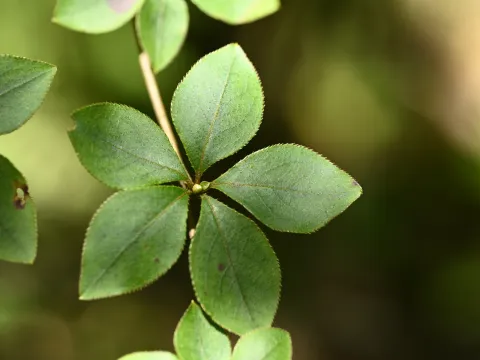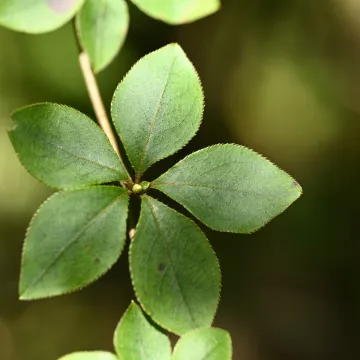
Enkianthus perulatus
Enkianthus perulatus C. K. Schneid.
Description
Enkianthus perulatus is an elegant deciduous shrub belonging to the Ericaceae family. Known for its distinctively graceful form and spectacular seasonal foliage, this plant is a staple in high-end horticulture and specialized gardens, particularly those designed in the Japanese style.
Originating from the mountainous regions of Japan, the species has adapted well to cool and moist temperate climates. In agricultural and horticultural contexts, it is grown primarily as an ornamental specimen, valued for its slow growth rate and the stunning fire-red coloration its foliage acquires during the autumn season.
The botanical structure of the plant consists of dense, twiggy branches that bloom in early spring. The flowers are small, urn-shaped, and usually white, appearing in clusters before the leaves fully emerge. This gives the shrub a delicate, airy appearance that provides high aesthetic value throughout the growing season.
The agronomic requirements for Enkianthus perulatus are specific, as it is an acid-loving plant. It demands well-drained, acidic, humus-rich soil and cannot tolerate waterlogged conditions or high alkaline content in the substrate. Choosing the right planting site, preferably in partial shade, is crucial for its long-term health.
Key cultural practices include:
- Consistent maintenance of soil acidity through the use of pine needle mulch or specialized ericaceous compost.
- Regular but measured watering, ensuring the root ball remains moist but never saturated.
- Protection from severe winds and harsh afternoon sun which can scorch the foliage.
- Selective pruning only to maintain the natural shape or remove dead wood, as the plant does not require heavy shaping.
When it comes to plant health, Enkianthus perulatus is relatively resistant to pests, though it may occasionally suffer from root rot caused by poor soil drainage. Monitoring for common garden pests like aphids or spider mites is advised, especially during dry spells. Proper site selection and attention to soil quality remain the primary defenses against disease.
Photo gallery