
Enterolobium contortisiliquum
Enterolobium contortisiliquum
Description
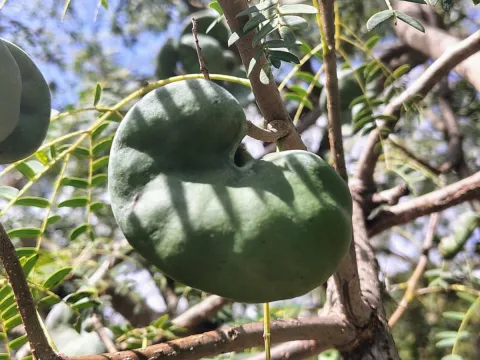
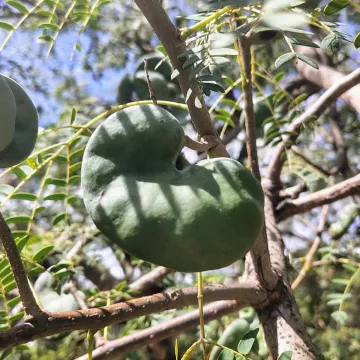
Enterolobium contortisiliquum is a rapid-growing deciduous tree belonging to the Fabaceae family. Known commonly as the elephant ear tree, it is distinguished by its massive umbrella-shaped canopy and unique, curved, ear-like seed pods. This species is highly valued in its native environments for its significant biomass production and aesthetic landscape contribution.
Native to South America, including regions of Brazil, Argentina, and Paraguay, the tree thrives in tropical and subtropical climates. It is frequently found in riparian habitats and open woodlands, demonstrating a remarkable ability to adapt to varying levels of soil moisture, from periodically flooded alluvial plains to well-drained forest slopes.
In terms of agricultural requirements, the species favors warm climates and performs best in deep, fertile, and well-drained soils. While it is hardy, young trees require protection from extreme cold. Seed germination often involves mechanical scarification to overcome physical dormancy, ensuring uniform stand establishment in nursery conditions or reforestation projects.
The economic value of this culture is diverse. Its wood, which is lightweight and resistant to decay, is widely used for interior furniture, cabinetry, and boat building. Furthermore, the tree is a staple in agroforestry systems; its nitrogen-fixing capabilities enrich the soil, while its expansive canopy provides essential shade for cattle and smaller crops in silvopastoral setups.
Plant health management is essential to prevent losses from pests and diseases. Common issues include:
- Root rot caused by poorly drained soils.
- Infestations by wood-boring insects.
- Fungal foliage spots during humid seasons.
Effective management includes maintaining optimal spacing between trees to ensure good air circulation, regular monitoring for insect activity, and proper site preparation prior to planting to prevent early-stage stress.
Photo gallery