Description
Guanacaste (Enterolobium cyclocarpum) is a prominent leguminous tree species belonging to the Fabaceae family. Known internationally for its massive size and wide, umbrella-shaped canopy, it is an essential component of tropical agroforestry systems. As a nitrogen-fixing species, it plays a vital role in soil restoration and sustainable agricultural development in tropical zones.
Native to the tropical regions of the Americas, the tree spans from Mexico through Central America to northern South America. Its cultivation is widespread in its native range, where it is utilized in silvopastoral systems. It acts as a keystone species, providing shade for cattle and serving as a reliable source of protein-rich forage during the dry seasons when other grasses fail.
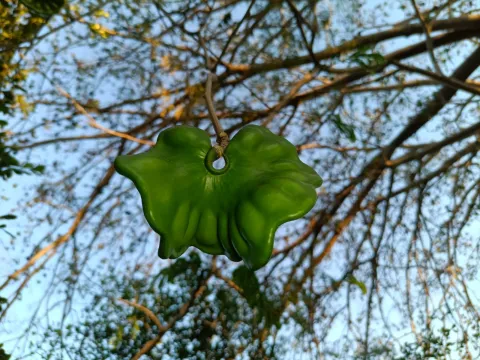
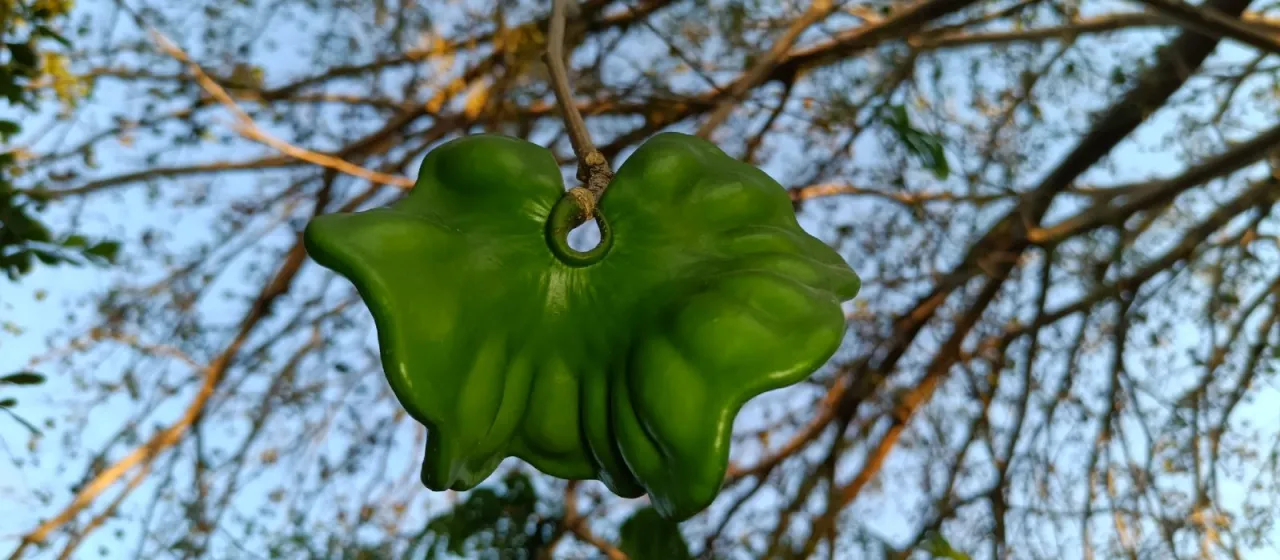
Botanically, the species is characterized by its bipinnate leaves and unique woody, circular-shaped pods, which resemble the human ear, giving rise to its common name "elephant ear tree." The tree exhibits rapid growth rates, especially in its juvenile stage. Its root system is extensive and anchors the tree firmly, though it generally remains in the upper soil layers, making it highly efficient at nutrient uptake.
Cultivation requirements focus on a warm, humid climate with distinct seasonal rainfall patterns. Guanacaste is highly adaptable to various soil types, including alluvial soils and those with moderate salinity. To ensure successful establishment, seeds should be scarified to break dormancy, and saplings must be protected from intense weed competition until the canopy begins to close and suppress ground growth.
Key economic and agricultural applications include:
- Timber production: The wood is lightweight, durable, and resistant to water, making it ideal for furniture and traditional boat building.
- Forage production: The fruit pods are highly nutritious and palatable for livestock, serving as a supplement in tropical cattle rearing.
- Soil enhancement: As a legume, it fixes nitrogen, improving overall soil health in integrated farming systems.
- Windbreaks: Large crowns provide effective protection for coffee and cocoa plantations.
Common pests include seed-boring bruchid beetles, which can significantly reduce the viability of harvested seeds. Diseases are generally infrequent but may include root rot if trees are planted in areas with poor drainage. Management involves careful monitoring of young plantations and strategic pruning to maintain healthy crown structures, ensuring long-term productivity and stability for the agricultural operation.
Photo gallery