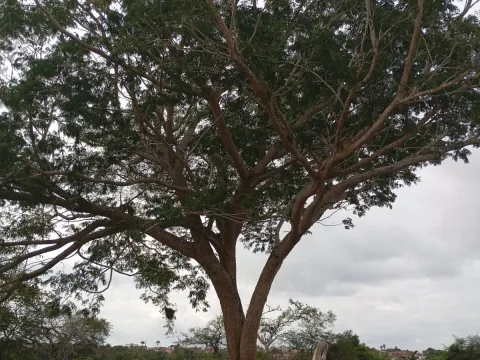

Enterolobium timbouva
Enterolobium timbouva
Description
Enterolobium timbouva, commonly known as the Timbouva tree, is a large, deciduous tree belonging to the Fabaceae family. It is widely recognized for its distinctive ear-shaped pods, which have earned it the nickname "ear-fruit tree." This species is highly valued for its rapid growth, extensive root system, and massive, spreading crown that provides significant ecological benefits in tropical environments.
The tree is native to Central and South America, primarily spanning countries such as Brazil, Argentina, Paraguay, and Uruguay. It thrives in humid tropical and subtropical climates, often found in floodplains and riparian forests. Due to its natural habitat, the tree exhibits a remarkable tolerance for waterlogged soils, making it an essential species for maintaining the health of riverine ecosystems.
Botanically, Enterolobium timbouva is characterized by its bipinnate leaves and clusters of small, white-yellowish flowers. The tree is known for its nitrogen-fixing capabilities, which improve soil nutrient profiles. The fruit, a woody, curved legume, contains several hard-coated seeds that are dispersed by water or animals. Its wood is generally lightweight but resilient, making it a sustainable choice for various structural and decorative applications.
Cultivation requirements focus on fertile, well-draining soils with consistent moisture levels during the early stages of growth. While the tree is drought-tolerant once established, it cannot survive frost, limiting its cultivation to frost-free regions. Agronomic management involves spacing plants appropriately to account for the massive crown diameter and implementing weed control to ensure the rapid establishment of young seedlings.
Economic and practical applications include:
- Timber production for furniture, plywood, and traditional boat building.
- Agroforestry systems to provide shade for livestock and reduce wind impact.
- Land reclamation and soil stabilization in degraded tropical areas.
- Utilization of fruit extracts in traditional medicine and soaps due to high saponin content.
The health of Enterolobium timbouva plantations can be compromised by root rot fungi in poorly drained soils and occasional infestations by wood-boring beetles. Effective management strategies include maintaining proper soil drainage and conducting periodic health assessments to detect early signs of pest pressure. Proper pruning is also recommended to prevent structural damage and promote a healthy growth habit.
Photo gallery