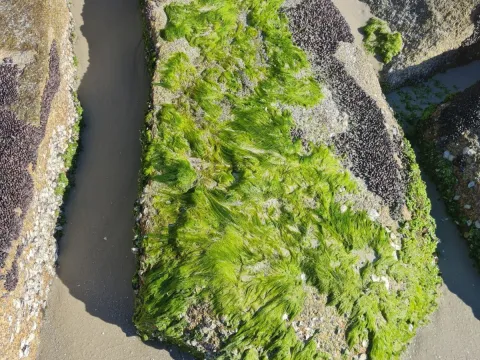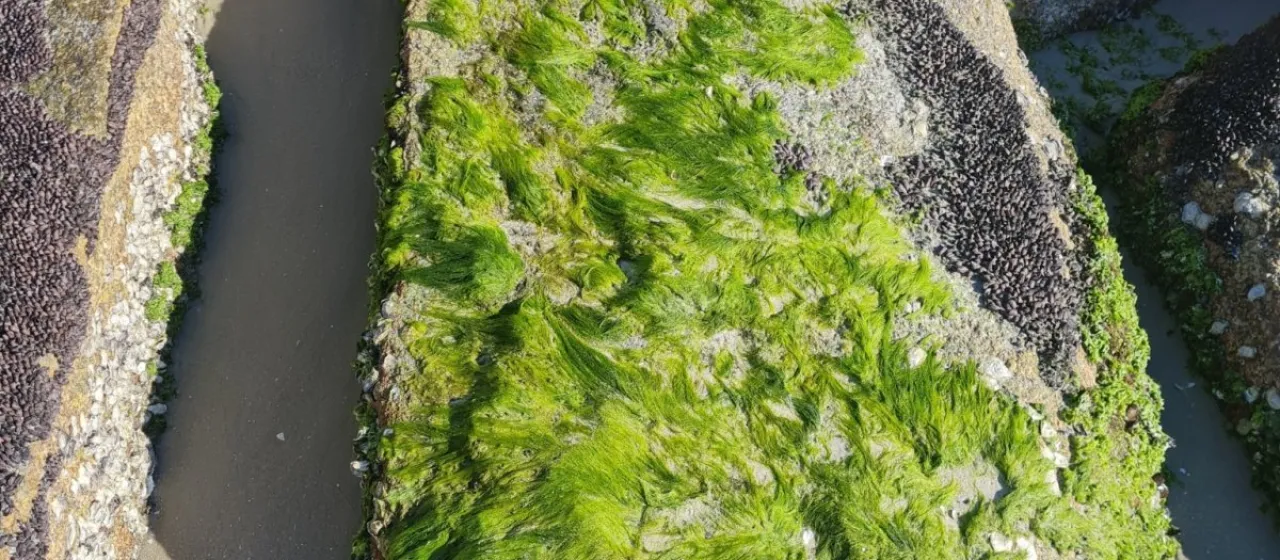
Description
Enteromorpha flexuosa, a green macroalgae species belonging to the Ulvaceae family, is increasingly recognized as a significant biological resource in modern mariculture. While it grows naturally in wild marine environments, its controlled cultivation has become a focus for sustainable production of algae-based biomass in recent years.
The morphology of this species is characterized by branched, tubular thalli that can reach significant lengths under optimal conditions. The plant features a vibrant green appearance and a delicate cell structure. Its life cycle involves an alternation of generations, which facilitates rapid colonization of suitable substrates and allows for reliable harvesting schedules in commercial settings.
Regarding its geographical distribution and habitat, this species is highly adaptable, found across various marine and estuarine environments globally. It thrives in intertidal and subtidal zones where nutrients are readily available. In an agricultural context, it is cultivated in ponds or tanks where environmental variables such as salinity, temperature, and light intensity are carefully monitored to maximize growth rates.
Cultivation practices focus heavily on water quality management. Since the species is an efficient nutrient absorber, its growth is often enhanced in waters rich in inorganic nitrogen and phosphorus. Farm management includes regular harvesting to prevent overgrowth and the use of netting systems to keep the biomass suspended in the water column, ensuring proper light exposure for all parts of the thallus.
The economic utility of the species is diverse, ranging from its application as a high-quality nutritional supplement for aquatic animals to its use as a raw material in the extraction of bioactive polysaccharides. Furthermore, the species acts as a superior biofilter in integrated multi-trophic aquaculture (IMTA) systems, reducing nutrient pollution and contributing to the overall sustainability of the farm.
- High protein and micronutrient content.
- Excellent bio-remediation capacity for marine systems.
- Scalable cultivation methods in modular tanks.
Photo gallery