Curly windmill grass
Enteropogon acicularis
Description
Curly windmill grass (Enteropogon acicularis) is a perennial grass belonging to the Poaceae family. Recognized for its exceptional resilience, this species serves as a critical forage resource in arid and semi-arid environments, particularly known for its ability to maintain growth where many other grasses fail.
Native to Australia, this plant has adapted to harsh environmental conditions, including long drought cycles and high temperatures. Its historical range spreads across vast grassy plains, where it acts as a primary producer in the ecosystem, supporting both domestic livestock and native herbivores through its consistent biomass production.
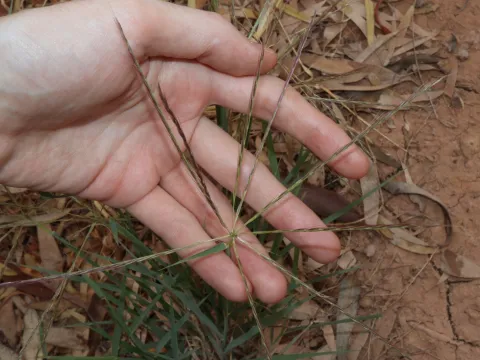
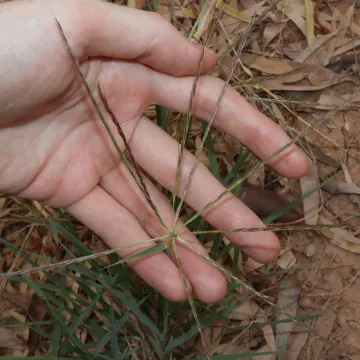
Botanically, Enteropogon acicularis is characterized by its distinctive inflorescences that resemble a windmill, giving the plant its common name. The foliage is generally tough and wire-like, which is a structural adaptation to minimize water loss through transpiration, and the root system is highly efficient at extracting subsurface moisture.
Agricultural success with this grass relies on selecting well-drained soil types. While it thrives in nutrient-poor environments, managed grazing and occasional fertilization can substantially improve the density of the stands. It is particularly valued for its tolerance to soil salinity and its ability to withstand heavy grazing pressure, which makes it a staple for sustainable ranching.
The main uses of curly windmill grass include pasture grazing, hay production (when harvested at the right maturity), and large-scale soil stabilization projects. While it is generally robust, producers should be vigilant about monitoring for leaf-spot pathogens during humid seasons and preventing overgrazing, which can reduce the vigor of the plant crown over time.
Photo gallery