Description
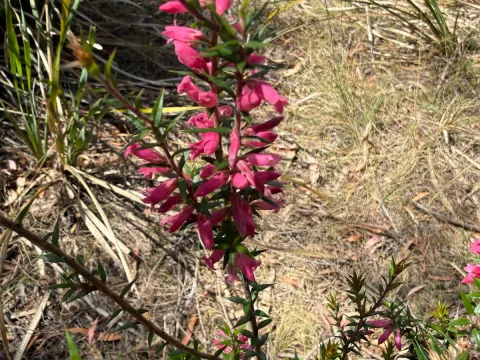
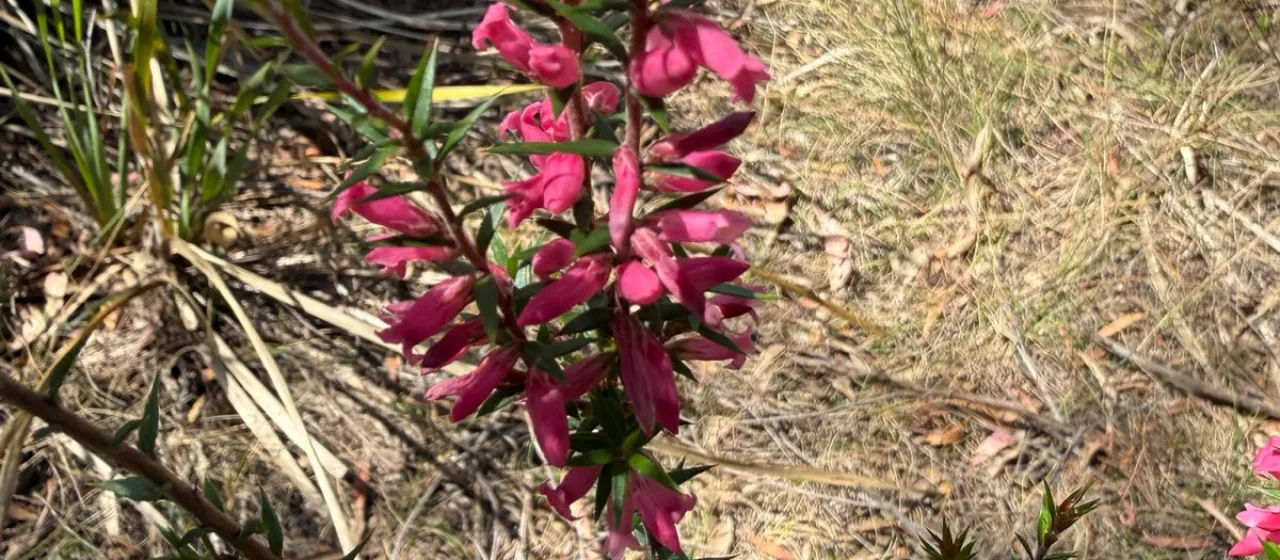
Common heath (Epacris impressa) is a perennial evergreen shrub belonging to the Ericaceae family. As the floral emblem of Victoria, Australia, this species is highly regarded for its aesthetic appeal, featuring a dense growth habit and long-lasting, tubular flowers that emerge along its stems.
The native range of this species spans southeastern Australia, extending from the coast to mountainous inland areas. It thrives in various environments, including heathlands, open forests, and rocky outcrops, which has influenced its high tolerance for diverse soil conditions within its natural habitat range.
Botanically, the plant is characterized by rigid, lanceolate leaves and an upright, slender growth form. The most distinct feature is its bell-shaped or tubular blossoms, which can range from pure white to shades of pink and deep red. The name "impressa" refers to the five distinctive depressions at the base of the floral tube.
In terms of cultivation, Common heath requires specific conditions to thrive in a domestic garden setting. It demands well-draining, acidic soil and benefits from a mulch layer to keep roots cool. As a member of the Ericaceae family, it is sensitive to phosphorus-rich fertilizers, so using specialized native or low-phosphorus feeds is essential for its long-term health.
The primary use of Epacris impressa is ornamental, serving as a focal point in native Australian garden designs. It is also suitable for container gardening provided that the drainage remains excellent. While generally robust, the plant is susceptible to phytophthora root rot if soil moisture is not managed properly, and it must be monitored for pests such as scale insects or mealybugs.
Photo gallery