Epacris microphylla
Epacris microphylla
Description
Epacris microphylla is an evergreen perennial shrub belonging to the Ericaceae family. Known for its elegant structure and fine foliage, it is a noteworthy representative of the heath family, frequently utilized in specialized ornamental landscaping and native plant gardening.
The species is native to Australia, with a distribution range primarily along the eastern regions of the continent. It thrives in diverse habitats ranging from coastal heathlands to rocky slopes, which has shaped its resilience to varying degrees of moisture and its adaptation to nutrient-poor soil profiles.
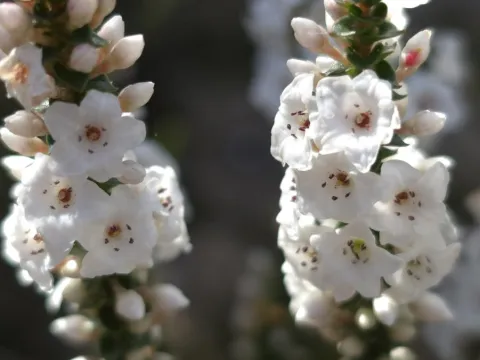
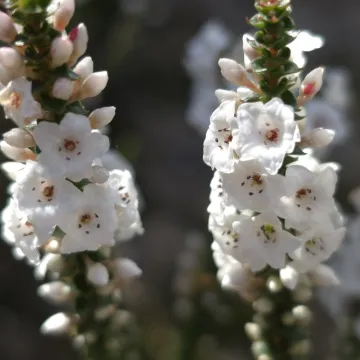
Botanically, the plant is characterized by its small, stiff, and overlapping leaves that provide a dense texture to its branching stems. During its flowering season, it produces a profusion of white or pale pink, bell-shaped flowers that appear in the leaf axils. The plant maintains a slow growth habit, contributing to its longevity and manageable size in controlled settings.
Cultivation requires strict adherence to soil chemistry and moisture levels. Epacris microphylla demands well-draining, acidic soil and is highly sensitive to phosphorus, necessitating the use of specialized low-phosphorus fertilizers. Key maintenance practices include:
- Maintaining consistent soil moisture without waterlogging.
- Providing a sunny position with some protection from harsh afternoon heat.
- Mulching to keep the root zone cool and moist.
The primary use of this species is ornamental, often sought by collectors of Australian native flora. When it comes to pests and diseases, the plant is susceptible to root rot (Phytophthora) if drainage is inadequate. Occasional infestations of aphids or spider mites may occur in containerized environments, requiring prompt and gentle treatment to avoid damaging the delicate foliage.
Photo gallery