Epacris purpurascens
Epacris purpurascens
Description
Epacris purpurascens is a perennial evergreen shrub belonging to the Ericaceae family, widely known as the heath family. While primarily recognized as an ornamental species, it is highly valued in the horticulture sector for its delicate, bell-shaped flowers and dense, shrubby growth habit. It serves as an excellent specimen for botanical collections and specialized landscaping projects.
Originating from the coastal regions of New South Wales in Australia, the species has adapted to specific ecological niches, including heathlands and rocky slopes. Its natural distribution gives it a preference for environments with mild temperatures and consistent moisture, though it is adapted to survive in nutrient-poor, sandy soils that drain water rapidly.
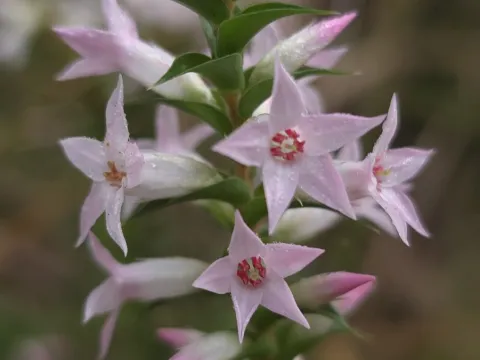
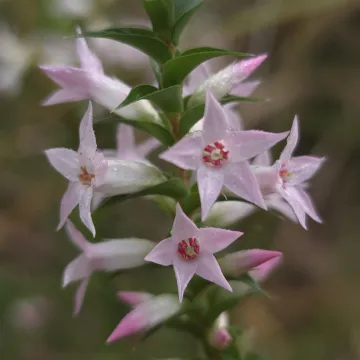
Botanically, this shrub can reach up to 1.5 meters in height, featuring small, rigid, lance-shaped leaves that are arranged spirally along the stems. The flowers are the primary feature, showcasing a distinct purplish or pinkish hue arranged in leafy, spike-like racemes. The plant's structure allows it to maintain a tidy appearance, which makes it an ideal candidate for container gardening.
Agricultural and horticultural cultivation requires specific conditions to mimic its native habitat. The soil must be highly acidic and porous; standard potting mixes are often unsuitable without significant modification with pine bark or coarse sand. Proper air circulation is mandatory to prevent fungal issues, and consistent moisture must be balanced with efficient drainage to ensure the plant does not sit in water.
Maintaining the health of Epacris purpurascens involves vigilant monitoring for common pests and diseases. The plant is particularly susceptible to root pathogens if overwatered, and the foliage may attract spider mites in arid conditions. Regular pruning post-flowering is recommended to encourage new growth and maintain the structural integrity of the plant, ensuring its longevity in a cultivated setting.
Photo gallery