Ephedra altissima
Ephedra altissima
Description
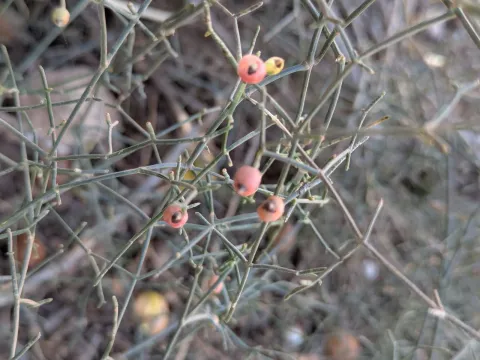
Ephedra altissima, known as the climbing ephedra, is a perennial evergreen shrub within the Ephedraceae family. Unlike many other species in its genus, this plant often exhibits a climbing habit, using nearby vegetation to support its long, jointed stems. It is recognized in agriculture primarily for its secondary metabolites, which hold significant value in the pharmaceutical industry.
Native to North Africa and parts of Southern Europe, this species is well-adapted to Mediterranean climates. It thrives in arid environments and requires well-aerated, rocky, or sandy substrates that prevent water stagnation. The plant prefers regions with high light intensity and is not suited for regions with high humidity or frequent frost, which can affect the quality of its biomass.
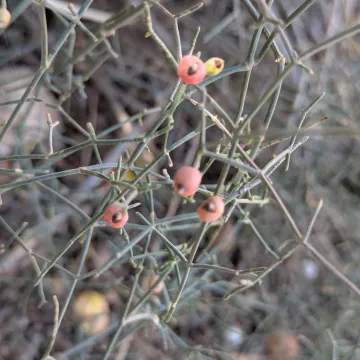
Botanically, Ephedra altissima is characterized by its reduced, scale-like leaves and photosynthetic green stems. These stems are the site of essential biochemical processes, enabling the plant to survive in low-water conditions. The root system is extensive and deep-penetrating, making it highly resilient to drought once established in the soil.
Cultivation techniques involve minimal intervention compared to high-maintenance crops. It is essential to ensure excellent drainage, as the plant is highly susceptible to root decay if the soil remains waterlogged. Weed control is crucial during the initial stages of development, as the plant grows slowly and can be easily overshadowed by more aggressive flora.
The primary agricultural application of this plant is as a medicinal crop for the production of ephedrine. Beyond its industrial use, it is sometimes employed in xeriscaping or slope stabilization projects in arid zones to combat soil erosion. Typical pests include soil-borne pathogens that target the root system in damp conditions, and occasionally, sucking insects that affect the succulent stems.
- High tolerance to nutrient-poor soils.
- Requires full sun for optimal alkaloid concentration.
- Extreme drought resistance once the root system is established.
- Low requirement for fertilizers to maintain natural chemical profiles.
Photo gallery