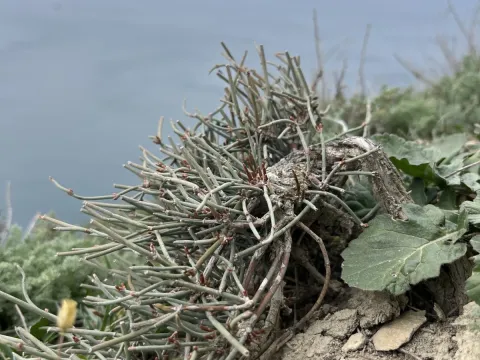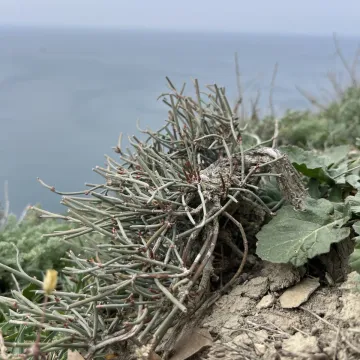

Ephedra distachya
Ephedra distachya
Description
Ephedra distachya, commonly known as common joint-fir or Russian joint-fir, is a perennial shrub belonging to the family Ephedraceae. Unlike typical conifers, it appears as a low-growing, leafless woody plant with jointed green stems. These stems perform photosynthesis and are the primary source of the plant's valuable chemical compounds.
Originating from the steppe and desert regions of Eurasia, this plant has adapted to harsh environmental conditions. It is native to southern Europe and parts of Asia, typically growing in limestone, rocky terrains, and sandy soils. Its hardiness makes it a resilient candidate for agricultural use in arid regions where other crops fail to thrive.
Botanically, the plant is a gymnosperm that exhibits distinct dioecious characteristics. It produces small, fleshy, red seed-bearing cones that resemble berries. The root system is extensive and deep-reaching, allowing the plant to thrive in nutrient-poor, dry environments. Seed germination and vegetative propagation via cuttings are the primary methods used for establishing commercial plantations.
Cultivation requirements focus on providing a site with excellent drainage and full sun exposure. Ephedra distachya does not tolerate waterlogged conditions, which are detrimental to its root health. While it is naturally resistant to many pests, growers must ensure weed control in the establishment phase, as the plant grows relatively slowly during its first few years of development.
- Requires well-drained, alkaline or neutral soils.
- High tolerance for extreme heat and drought.
- Limited nutrient demand compared to traditional crops.
- Harvesting of stems occurs in late summer for alkaloid extraction.
The primary economic use of Ephedra distachya is in the pharmaceutical industry. The plant is a natural source of ephedrine and pseudoephedrine, which are active ingredients in medications for respiratory issues, congestion, and asthma. Due to its specific chemical profile, agricultural production of this species is strictly regulated in many jurisdictions to ensure quality control for medical supply chains.
Photo gallery