Description
Ephedra gerardiana, commonly known as Gerard's ephedra, is a perennial shrub belonging to the Ephedraceae family. It is recognized for its dense, cushion-like habit, which allows it to thrive in high-altitude environments where harsh winds and cold temperatures would inhibit the growth of most other plant species.
The native range of this species extends across the Himalayas and Tibetan Plateau. It is primarily found in rocky, mountainous terrains. Because of its native environment, the plant is exceptionally hardy and capable of surviving in soils and climates that are generally unsuitable for traditional agricultural crops, making it a valuable candidate for high-altitude herb production.
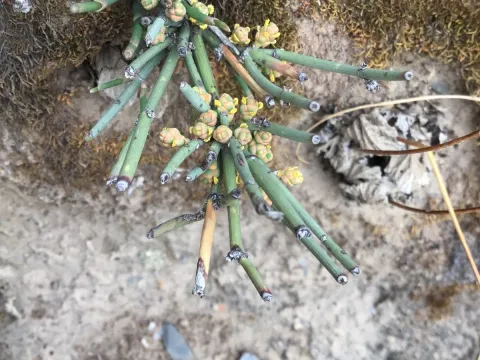
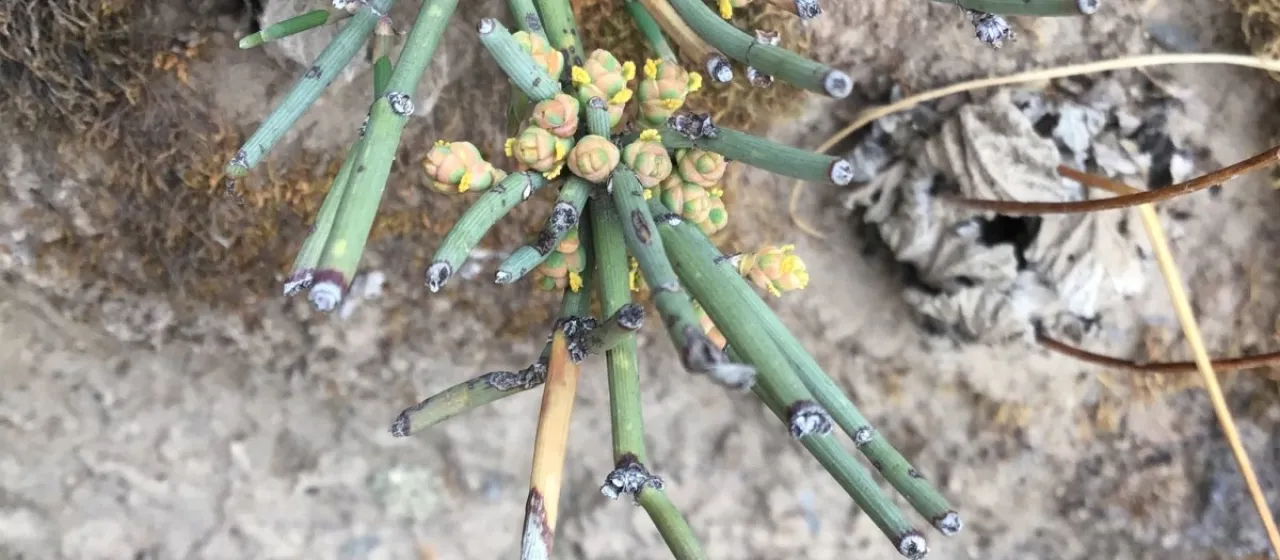
Botanically, Ephedra gerardiana is characterized by its jointed, photosynthetic stems that lack true leaves, which are reduced to tiny scales. It possesses a deep, extensive taproot system designed to anchor the plant in rocky fissures and extract moisture from deep soil layers. The plant is dioecious, meaning male and female cones are produced on separate individual plants.
Regarding cultivation requirements, the plant demands full sun and well-drained, nutrient-poor soil. It is highly intolerant of waterlogged conditions, which often lead to root rot. Successful agro-management involves keeping the planting area free from invasive weeds during the establishment phase and ensuring that the soil structure mimics the rocky substrate of its native habitat to prevent moisture stagnation.
The industrial and economic value of this crop is primarily found in its high concentration of alkaloids, including ephedrine. These compounds are used in the production of medicines to treat respiratory issues and blood pressure irregularities. Careful harvesting involves collecting green stems at the peak of their chemical potency, while monitoring for common threats such as fungal root pathogens and spider mite infestations in dry, warm climates.
Photo gallery