Ephedra lomatolepis
Ephedra lomatolepis
Description
Ephedra lomatolepis is a perennial evergreen shrub belonging to the Ephedraceae family. This species is highly specialized, having evolved to thrive in arid and semi-arid environments where water availability is extremely limited. Its unique physiology allows it to maintain biological activity under intense heat and sunlight.
The native range of this plant covers the arid zones of Central Asia, including parts of Mongolia, Kazakhstan, and northern China. It typically inhabits rocky slopes, gravelly foothills, and sandy plains. Due to its adaptation to harsh environments, it acts as a pioneer species that stabilizes soil and prevents erosion in desertified regions.
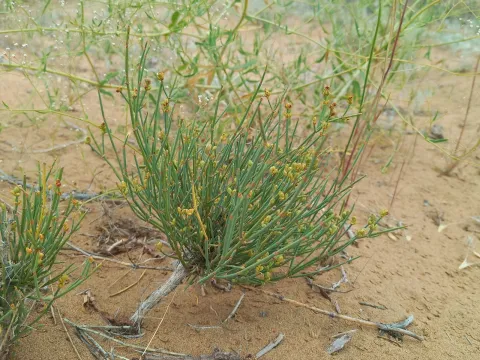
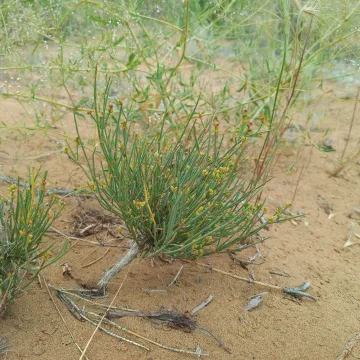
Botanically, Ephedra lomatolepis is characterized by articulated, broom-like green stems that perform photosynthesis. The true leaves are reduced to small scales, which is a key adaptation to reduce transpiration loss. The root system is deep and extensive, allowing the plant to reach groundwater reserves even in very dry soil profiles.
Successful cultivation requires strict adherence to the following conditions:
- Full sun exposure is mandatory for optimal development.
- Soil must be extremely well-drained, such as sandy or rocky substrates.
- Watering must be very limited, as excess moisture leads to fungal root diseases.
- The plant is highly tolerant to extreme cold, which is typical for its native high-altitude and continental ranges.
In terms of economic utilization, the plant is valued primarily by the pharmaceutical industry as a source of active alkaloids. These compounds are used in the development of treatments for various medical conditions, including respiratory issues. Regarding pests and diseases, the primary concerns are root rot pathogens and potential infestations by scale insects, which can be mitigated through proper site selection and regulated irrigation practices.
Photo gallery