Description
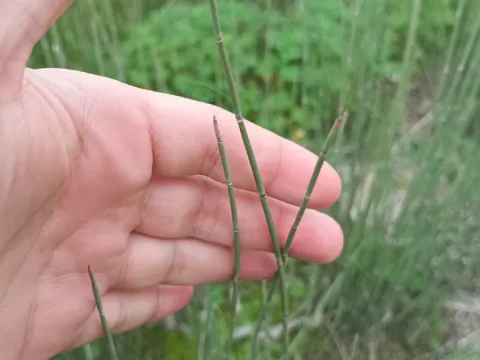
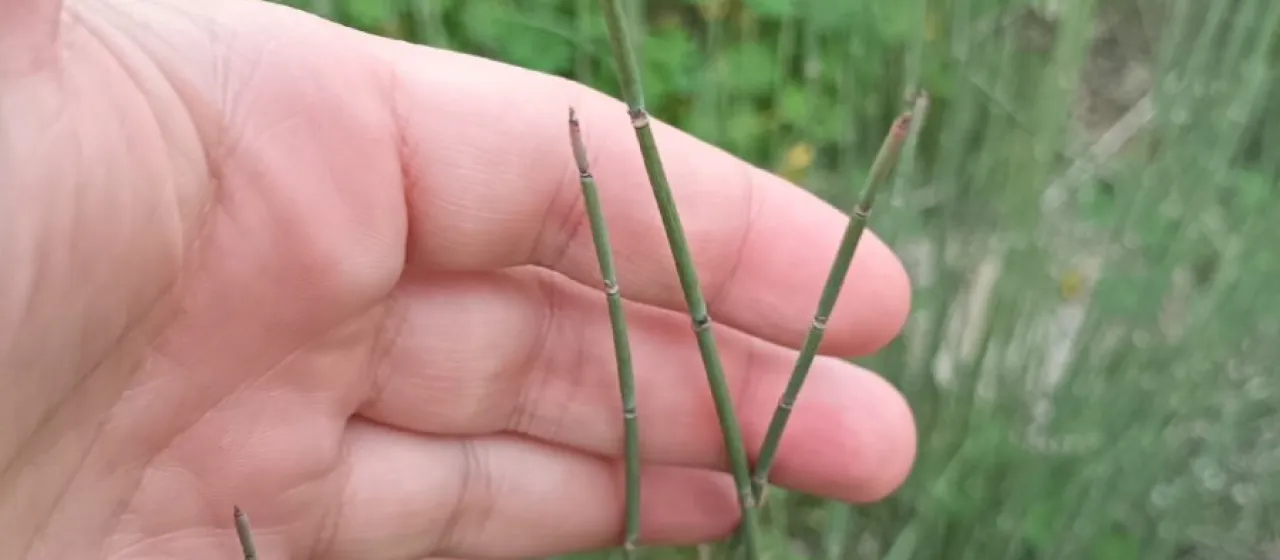
Ephedra podostylax is a perennial shrub belonging to the Ephedraceae family. This species is characterized by its distinct segmented stems which facilitate photosynthesis, as its leaves are highly reduced to scales to minimize moisture loss in arid environments.
Native to the arid regions of Central Asia, this plant is well-adapted to harsh environments, including rocky slopes and desert plains. Its natural distribution is linked to areas with low annual precipitation and significant seasonal temperature fluctuations, demonstrating remarkable evolutionary adaptations.
Botanically, the species features a deep taproot system designed to access deep groundwater reservoirs. The stems are photosynthetic and provide the plant with resilience against extreme solar radiation. Morphological stability is a key trait that allows it to survive in depleted soils where other vegetation fails.
Cultivation requirements for Ephedra podostylax focus on mimicking its natural habitat. Key agronomic factors include well-draining, sandy or gravelly soils with low nutrient content. Irrigation must be strictly controlled, as waterlogging is the primary cause of plant death in cultivation.
- Excellent adaptation to drought and poor soil quality.
- High solar exposure requirement for active substance synthesis.
- Natural resistance to many insect pests due to secondary metabolites.
- Significance in medicinal plant research and pharmaceutical production.
The primary economic and agricultural use of the plant involves the extraction of alkaloids from its stems for pharmaceutical purposes. Disease management is mostly preventative, focusing on soil drainage and preventing fungal infection of the root zone, which can occur if the substrate is excessively humid or lacks aeration.
Photo gallery