Amur willowherb
Epilobium amurense
Description
Amur willowherb (Epilobium amurense) is a perennial herbaceous plant belonging to the Onagraceae family. While often found in wild habitats, it possesses biological characteristics that make it an interesting subject for botanical study and potential small-scale agricultural cultivation in specific climate zones.
The species is native to East Asia, with a geographical range that includes the Russian Far East, Japan, Korea, and parts of China. It typically grows in moist meadows, riverbanks, and shaded forest margins, thriving in environments where soil moisture remains consistent throughout the growing season.
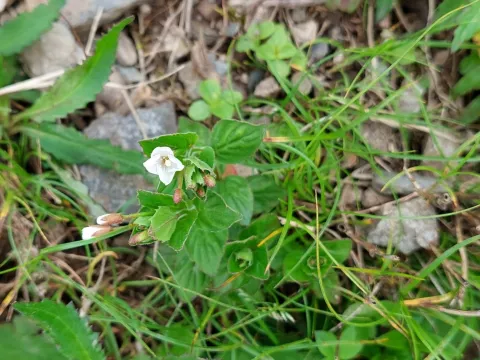
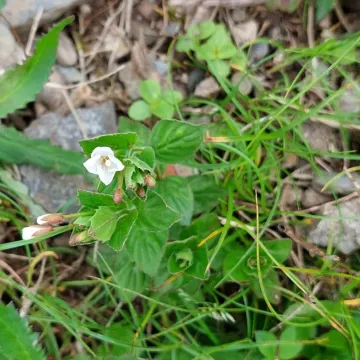
Botanically, the plant features an erect stem and lanceolate leaves, typically growing up to 60 cm in height. Its flowers, ranging from white to pinkish-purple, are a notable feature, contributing to its potential use in ornamental landscaping. The root system is resilient, which allows the plant to persist in varied soil types, provided that moisture levels are sufficient.
Agricultural requirements for Epilobium amurense focus on moisture management and soil fertility. It performs best in nutrient-rich, neutral-to-slightly acidic soils. Cultivation practices should include organic soil amendments and consistent irrigation during dry spells. While it is generally hardy, weed control during the establishment phase is essential for maximizing growth and biomass production.
The economic and practical utility of Amur willowherb lies in its traditional medicinal properties and its role in biodiversity restoration projects. Researchers explore the plant for potential active compounds, while its aesthetic appeal makes it suitable for ecological gardening. Ongoing trials are investigating its suitability for wider cultivation as a specialty herb.
- Adaptability to cool climates
- Prefers high-moisture sites
- Low susceptibility to common pests
- Potential for sustainable harvesting
Photo gallery