Description
Billardier's willowherb (lat. Epilobium billardieranum) is a herbaceous perennial plant belonging to the Onagraceae family. As a crop, it is valued for its hardiness and its ability to thrive in specific moist habitats, making it a unique candidate for controlled cultivation in regions with similar ecological characteristics.
The species originates from Australia and New Zealand, where it is native to wetlands, meadows, and disturbed soil areas. Its natural distribution indicates a strong affinity for moist environments, which is a critical factor for farmers considering this crop for commercial or ecological purposes.
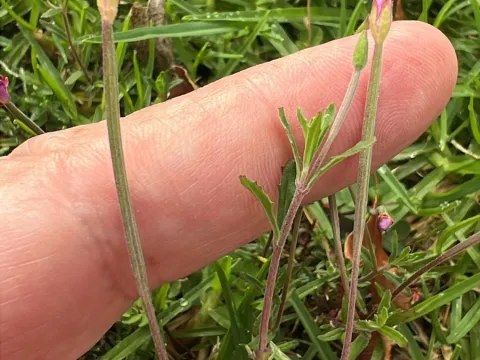
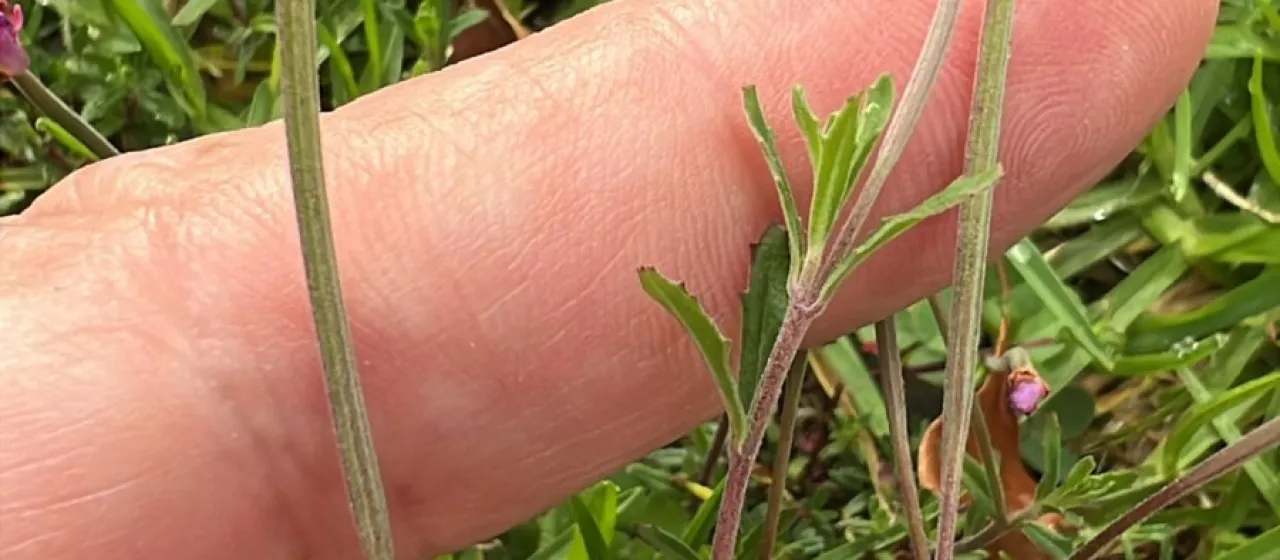
Botanically, the plant is characterized by erect stems ranging from 50 to 80 cm in height, bearing lanceolate, opposite leaves. The flowers are typically small, featuring four delicate petals in shades of pink or purple. After pollination, the plant produces elongated capsules that split open to release seeds dispersed by wind, ensuring rapid colonization of suitable habitats.
Agronomic success with Epilobium billardieranum depends on maintaining soil moisture and providing adequate light. It prefers rich, well-draining soils with a neutral pH level. Proper site selection is essential, as the plant does not tolerate prolonged waterlogging despite its affinity for damp areas. In cultivation, regular monitoring of nutrient levels is necessary to maintain high biomass production.
Key areas of хозяйственного use include:
- Extraction of bioactive compounds for the pharmaceutical and cosmetic industries.
- Use in ornamental landscaping, particularly in wetland or rain garden designs.
- Ecological remediation to stabilize soil in riparian zones.
Regarding plant health, the crop is susceptible to common pests such as aphids and spider mites, particularly under dry conditions or greenhouse cultivation. Disease management focuses on mitigating fungal issues like powdery mildew and root rot, which are often caused by poor air circulation and excessive humidity. Integrated pest management (IPM) practices, including proper spacing and biological controls, are highly recommended to ensure a healthy yield.
Photo gallery