New Zealand willowherb
Epilobium brunnescens
Description
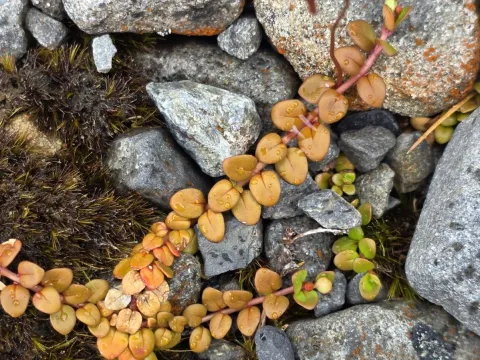
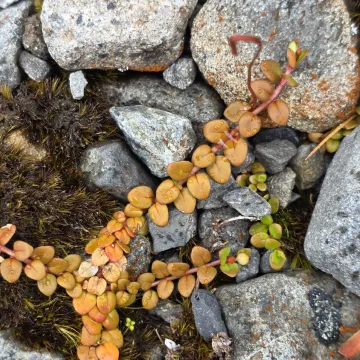
New Zealand willowherb (Epilobium brunnescens) is a creeping perennial herb belonging to the Onagraceae family. Unlike its taller relatives, this species forms dense, mat-like patches, making it a distinctive choice for groundcover applications in specialized horticultural settings where moisture and partial shade are available.
Originating from New Zealand, this plant has naturalized in various temperate regions worldwide. In professional agricultural or landscape contexts, it is highly valued for its ability to stabilize the soil surface and create a low-maintenance cover in cool, moist environments. Its geographic distribution has expanded significantly due to its adaptability to disturbed soils.
The botanical structure is characterized by prostrate stems that root at the nodes, allowing the plant to spread rapidly across the ground. The leaves are typically small with a characteristic brownish or bronze tint, which provides visual interest throughout the growing season. The plant produces delicate, small flowers that bloom in summer, adding a subtle decorative touch to the foliage.
Agronomic requirements emphasize the need for consistent soil moisture and protection from intense, direct sunlight. The ideal soil for this species is a well-draining, humus-rich medium with a neutral to slightly acidic pH. While it is hardy in many climates, it thrives best in environments that mimic its native alpine or sub-alpine moisture levels.
- Requires frequent irrigation during dry spells to maintain vigour.
- Best suited for cool, damp, shaded or semi-shaded garden locations.
- Propagation is most efficient via division of the mat-forming stems.
- Regular monitoring is needed to prevent invasive expansion in garden beds.
The primary use of New Zealand willowherb is in landscaping, particularly for rock gardens, pond borders, and as a filler between stepping stones. Regarding plant health, the species is susceptible to common pests like aphids and fungal issues such as rust, especially in stagnant or poorly ventilated conditions. Maintaining airflow and proper drainage is the most effective cultural practice for disease prevention.
Photo gallery