Hairy willowherb
Epilobium hirtigerum
Description
The hairy willowherb (Epilobium hirtigerum) is a herbaceous perennial plant belonging to the Onagraceae family. In the agricultural sector, this species is noted for its resilience and specific adaptation to moist, riparian environments, often appearing in areas where irrigation management is intensive.
The plant originates primarily from regions in Australia and New Zealand. Its natural distribution is characterized by its preference for damp soil, wetlands, and the edges of irrigation ditches, where it can rapidly establish itself due to its specialized reproductive strategy and tolerance for varying moisture levels.
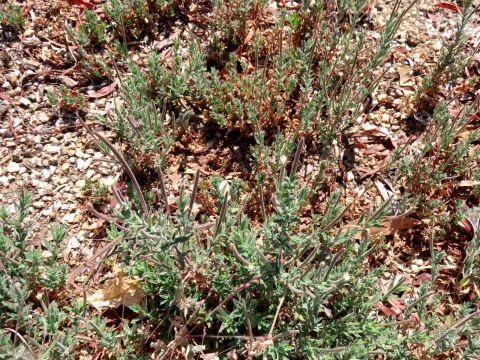
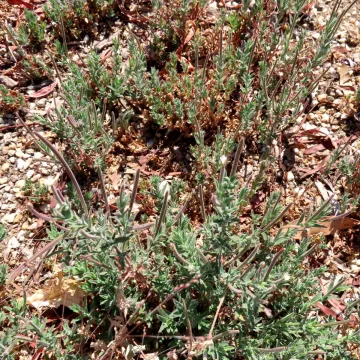
Botanically, Epilobium hirtigerum is distinguished by its hairy, upright stems and lanceolate leaves. These morphological features are adaptations to its habitat, helping the plant manage moisture intake while maintaining structural integrity in windy, open environments. The flowering process yields small, pink-to-purple flowers typical of its taxonomic family.
Regarding cultivation, this plant thrives in soil that remains consistently moist but not stagnant. It prefers neutral to slightly acidic pH levels and requires adequate sunlight for optimal growth. Agricultural management involves careful monitoring of soil moisture content and competitive growth, ensuring it does not displace intended cash crops.
In terms of agricultural use, while not a primary commercial crop, it serves ecological functions, including erosion control along water channels and acting as a pollinator-friendly plant. Proper management is essential to prevent it from becoming an unwanted weed in commercial planting beds.
- Strong adaptation to moist soil conditions
- Distinctive pubescent leaf structure
- Support for local pollinator biodiversity
- Effective natural erosion management
Photo gallery