
New Zealand willowherb
Epilobium nummularifolium
Description
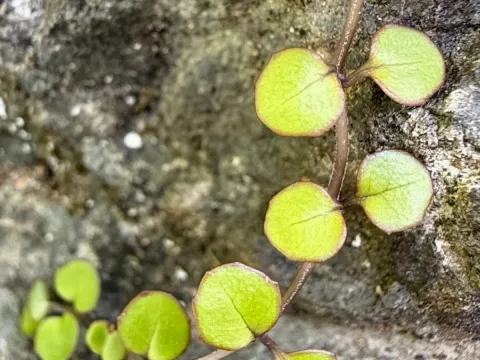
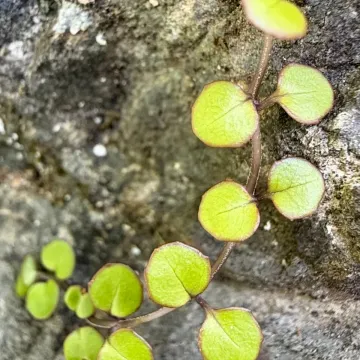
New Zealand willowherb (Epilobium nummularifolium) is a distinctively low-growing perennial plant belonging to the Onagraceae family. Unlike taller species in the genus, this plant is valued for its creeping habit, forming dense, prostrate mats that make it an excellent choice for ground-level landscaping and rockery displays.
Native to New Zealand, this plant has adapted to diverse habitats ranging from damp forest floors to rocky outcrops. Its natural distribution demonstrates a strong preference for cool, moist environments, which is a key factor to consider when introducing the species to garden conditions abroad.
Botanically, the plant is distinguished by its small, orbicular, coin-shaped leaves arranged along slender, rooting stems. This physiological trait allows the plant to anchor itself efficiently to the ground, facilitating rapid vegetative spread and the creation of a uniform, weed-suppressing carpet in suitable conditions.
Cultivation requirements focus heavily on soil moisture management and light exposure. It thrives in well-draining, humus-rich soil that remains consistently damp. While it can tolerate partial shade, protection from intense mid-day heat is essential, as the foliage is prone to dehydration and sun scorch in extreme temperatures.
Regarding its utility, the species is primarily used as an ornamental groundcover to soften the edges of pathways or to fill gaps between stepping stones. While generally robust, gardeners should be vigilant regarding common pests and diseases:
- Root rot pathogens triggered by stagnant water and poor drainage.
- Aphids or spider mites that may occasionally attack the tender new growth.
- Invasive potential in warm, moist climates if left unmanaged.
Photo gallery