Nodding willowherb
Epilobium nutans
Description
Nodding willowherb (Epilobium nutans) is a perennial herbaceous plant belonging to the Onagraceae family. Its common name refers to the distinctive nodding posture of the stem's apex during the budding stage. Within agricultural studies, this species is noted for its potential application in the production of specialized herbal raw materials and its ecological role in meadow ecosystems.
The plant originates from the temperate and mountainous regions of Eurasia, where it typically colonizes wet environments such as riverbanks, marshes, and humid meadows. Successful cultivation requires environmental conditions that mimic these natural moist habitats, ensuring a steady supply of nutrients and consistent moisture availability throughout the growing season.
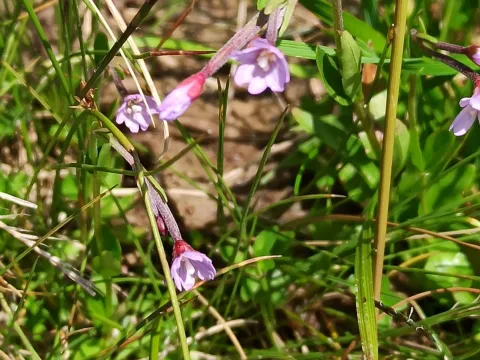
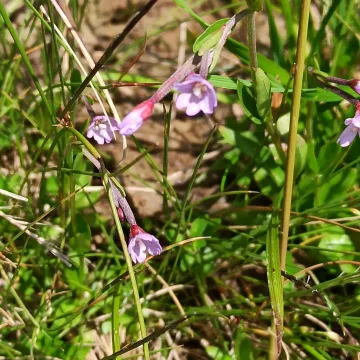
Botanically, the plant stands between 20 and 50 cm tall, featuring opposite, lanceolate leaves and delicate pink to purple flowers arranged in a nodding raceme. Its root system is creeping and vigorous, which allows the plant to form dense clusters. This robust root architecture is a significant factor in its survival and adaptation to challenging environmental conditions.
Regarding agrotechnical requirements, nodding willowherb thrives in slightly acidic to neutral, well-aerated loamy soils. Cultivation success depends on maintaining adequate soil fertility and humidity levels. Weed management is particularly critical during the establishment phase, as young plants may compete poorly with aggressive weeds until the foliage becomes sufficiently dense.
- High water requirements for optimal vegetative growth.
- Application of balanced organic fertilizers for nutrient uptake.
- Regular inter-row cultivation to maintain soil aeration.
- Controlled irrigation strategies to prevent moisture stress.
The primary economic use of this plant is centered on its medicinal properties, often harvested for extract production or as a component in nutritional supplements. It also serves as an effective melliferous plant for local beekeeping. Common phytosanitary challenges include fungal pathogens, which can flourish in high-humidity conditions, and occasional pest pressure from foliage-feeding insects.
Photo gallery