Small-flowered willowherb
Epilobium parviflorum
Description
Small-flowered willowherb (Latin: Epilobium parviflorum) is a herbaceous perennial plant belonging to the Onagraceae family. It is distinct from its relative, the Rosebay willowherb, due to its specialized preference for wetland habitats and its specific profile of phytochemical compounds, which makes it a subject of agricultural and medicinal interest.
The plant is native to Europe, Western Asia, and North Africa. It naturally inhabits damp locations such as riverbanks, marshy meadows, and ditches. This ecological preference dictates its cultivation needs, as the plant thrives in soils that maintain consistent moisture levels throughout the growing season without becoming waterlogged.
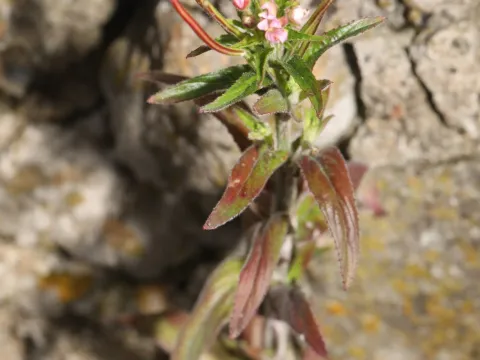
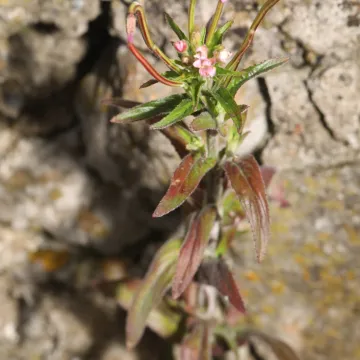
Botanically, it features an erect, often hairy stem reaching heights of 60 to 80 centimeters. The leaves are narrow, sessile, and arranged alternately on the stem. The flowers are small, pale pink to purple, and appear in racemes. After pollination, the plant produces elongated seed capsules that burst open, releasing seeds attached to silky hairs for wind dispersal.
Agronomic requirements include fertile, moist, and well-drained soil. It performs best in partial shade to full sun but requires protection from severe drought. In an agricultural setting, row spacing should be sufficient to ensure adequate airflow, which is critical for preventing common fungal pathogens like rust or downy mildew that target the foliage in humid conditions.
The economic value of this crop is centered on its medicinal applications. It is widely harvested for the pharmaceutical industry due to its traditional use in supporting prostate and urinary tract health. Beyond medicine, it serves as a valuable nectar source for pollinators, contributing to biodiversity in sustainable agricultural systems or botanical gardens.
- Contains significant levels of oenothein B.
- Prefers high-moisture agricultural environments.
- Potential as a phytoremediation species for wet areas.
- Requires standard organic fertilizer applications for optimal biomass.
Photo gallery