Description
Square-stalked willowherb (Epilobium tetragonum) is a perennial herbaceous plant belonging to the Onagraceae family. While frequently appearing as a volunteer plant in agricultural fields and wetlands, it is gaining interest for its medicinal potential, as the genus Epilobium is known for its bioactive compounds used in traditional and modern herbal medicine.
The native range of this species extends across Europe and temperate regions of Asia. It thrives in specific ecological niches, primarily moist soil conditions such as riverbanks, drainage ditches, and damp meadows. Its ability to colonize disturbed sites makes it an important species in ecological restoration and riparian management.
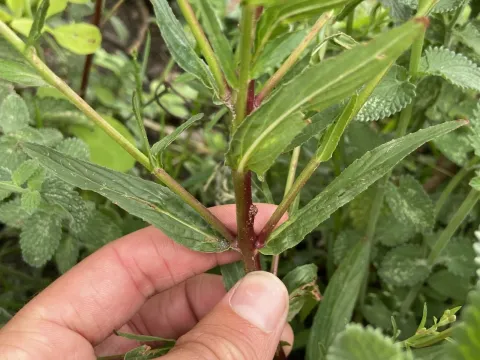
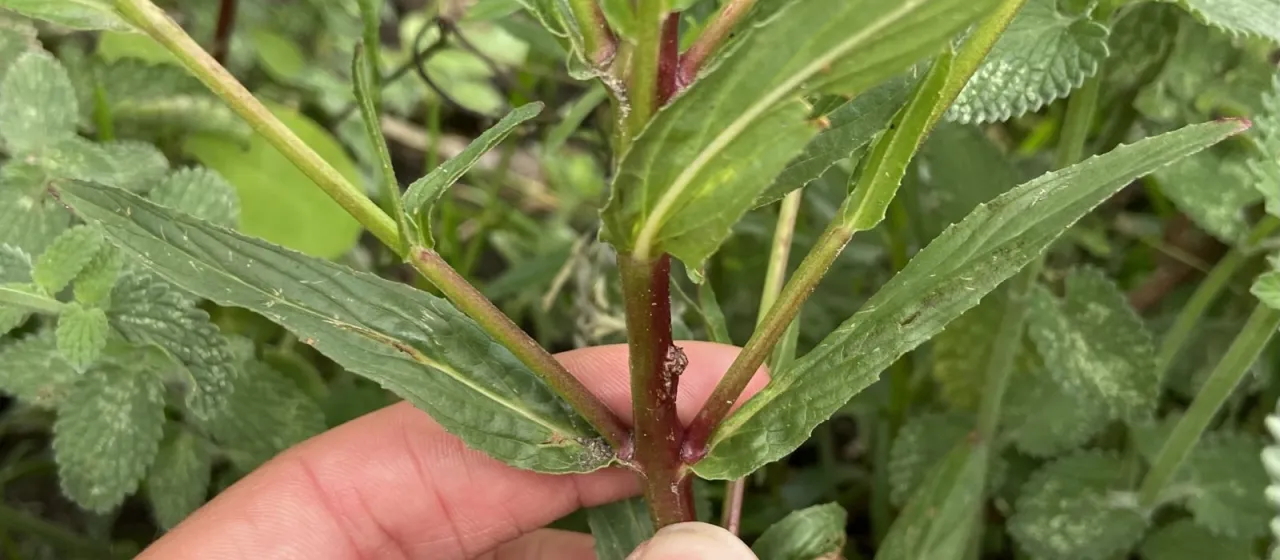
The plant is distinguished by its characteristic four-angled stem, which provides its common name and Latin specific epithet. It features lanceolate, slightly serrated leaves and small, pale pink to white flowers. The subterranean part consists of a robust root system that ensures perennial growth and recovery after unfavorable weather conditions.
Cultivation requirements for this species focus heavily on moisture management. It grows best in soils with high water retention capacity and neutral to slightly acidic pH. While it does not require intensive fertilization, supplemental irrigation is critical in regions with low annual rainfall to ensure consistent biomass production throughout the growing season.
In terms of economic utility, the plant is harvested for its phytochemical properties, particularly for its use in herbal remedies. Typical pests and diseases include powdery mildew and rust fungi, which are often encouraged by stagnant air and high humidity. Integrated pest management, including spacing and ventilation, is essential for maintaining crop health.
Photo gallery