Description
Alpine barrenwort (Epimedium alpinum) is a perennial plant belonging to the Berberidaceae family. It is a highly valued species in ornamental horticulture, recognized for its delicate foliage and unique flower structures. This plant is well-regarded for its adaptability to shaded environments where many other flowering plants struggle to survive.
The native range of this species is centered in the mountain regions of Southern and Central Europe. Traditionally found in woodland habitats, it has adapted to thrive in temperate climates, making it a reliable choice for gardens in similar ecological zones. The plant has been cultivated for its aesthetic appeal and ground-covering properties for many years.
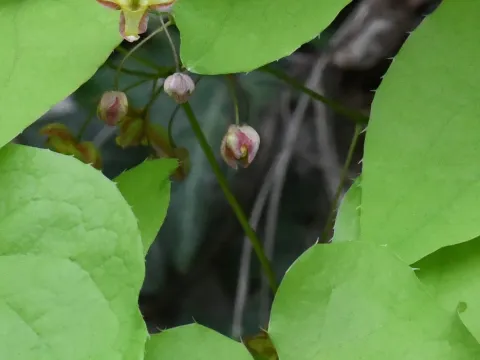
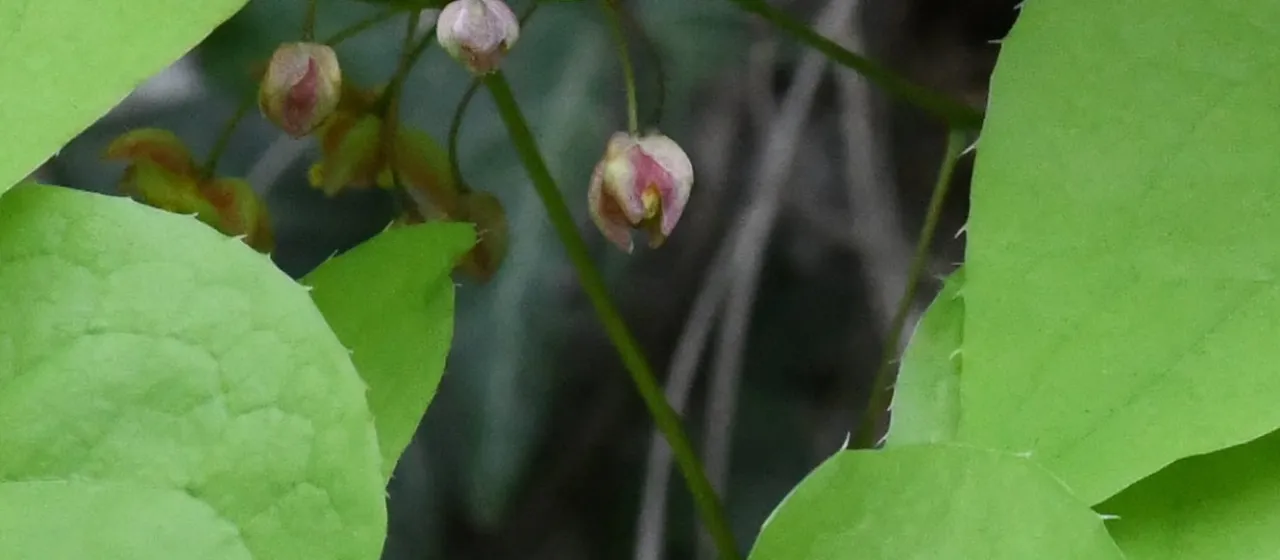
Botanically, it features a creeping rhizome system that supports tufts of compound leaves. The leaves are typically cordate in shape, leathery, and often display a reddish tinge during the spring flush. The flowers are small, yellow and red, carried on slender stalks, adding a subtle yet charming visual texture to the garden landscape during the early season.
Agrotechnical requirements focus on soil quality and moisture management. Alpine barrenwort grows best in well-draining, humus-rich soil that stays consistently moist but not waterlogged. Partial shade is essential, as intense direct sunlight can scorch the leaves and weaken the plant. Mulching with organic material helps maintain soil moisture and protects the root system during winter.
The primary use for this plant is in shaded garden beds, woodland borders, and as an understory plant for larger shrubs or trees. While generally robust, gardeners should look out for potential issues:
- Foliar nematodes causing leaf blotches.
- Root rot due to poor soil drainage.
- Slugs and snails that may feed on emerging foliage.
Photo gallery