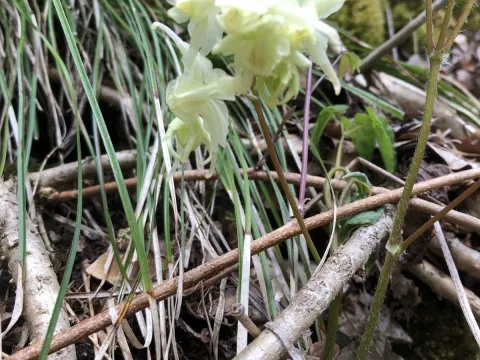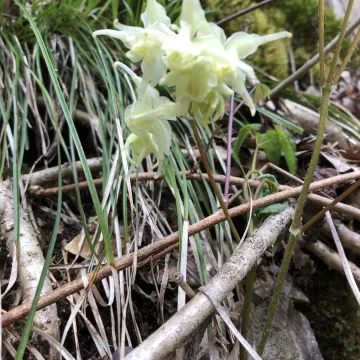
Korean barrenwort
Epimedium koreanum
Description
Korean barrenwort (Epimedium koreanum) is a perennial herbaceous plant belonging to the Berberidaceae family. It is a highly valued species recognized both for its ornamental elegance in landscape design and its significant pharmacological properties, which have made it a subject of study in medicinal plant production.
Native to the forests of the Korean Peninsula and parts of Northeast China and the Russian Far East, this plant thrives in the understory of broad-leaved forests. Its natural habitat suggests that in an agricultural or garden setting, it requires shaded areas with consistent humidity, protection from direct midday sunlight, and protection against harsh, drying winds.
The plant features a creeping rhizome system that allows for stable growth and expansion over time. Its foliage is notable for being evergreen in warmer climates and having a distinct heart shape with serrated edges, often displaying attractive reddish tints during the early stages of spring. The flowering process occurs in spring, showcasing delicate, spur-shaped flowers.
Successful cultivation requires soil that is rich in organic matter, slightly acidic, and possesses excellent drainage properties. While the plant is quite hardy and cold-tolerant once established, growers should focus on soil structure to prevent waterlogging, which is a common cause of failure. Mulching is recommended to maintain soil moisture and regulate temperature around the roots.
In terms of utilization, Epimedium koreanum is primarily sought after for its bioactive compounds used in traditional and modern medicine, as well as for its ability to form lush ground covers in shady garden sections. Growers must monitor for pests such as slugs and snails, which can cause significant damage to the leaves, and ensure good air circulation to mitigate the risk of fungal root diseases.
Photo gallery