Epimedium sempervirens
Epimedium sempervirens
Description
Epimedium sempervirens is a perennial herbaceous plant belonging to the Berberidaceae family. Often referred to in gardening circles as a barrenwort, this species is highly valued for its evergreen foliage and its ability to act as an effective ground cover in woodland-style gardens and shaded landscape areas.
The plant originates from the temperate regions of East Asia, specifically Japan. It thrives in its natural habitat of forest floors, where the soil is moist and enriched with leaf mold. Its cultivation range has expanded globally into temperate zones where gardeners appreciate its reliability as a low-maintenance landscape component.
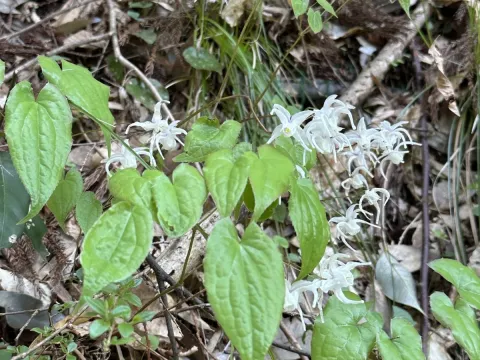
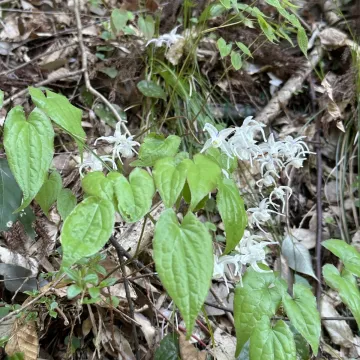
Botanically, the species is characterized by its stiff, leathery leaves that persist throughout the year. The flowers emerge in spring, featuring delicate structures with characteristic spurs. The color palette of the blossoms generally ranges from white to soft pink, adding aesthetic value to the garden during the transition between winter and spring.
Agricultural and horticultural requirements for Epimedium sempervirens include well-draining, humus-rich soil and a sheltered, partially shaded location. While the plant is drought-tolerant once established, it prefers consistent soil moisture during the first few years. Proper soil aeration is crucial to prevent the root system from decaying during periods of high rainfall.
Regarding its utility, this culture is primarily used for ornamental purposes in rock gardens, underplanting beneath deciduous trees, and as a low-maintenance border plant. Common issues include infestation by vine weevils or slugs, and occasionally leaf spot diseases if the foliage is not allowed sufficient air circulation in humid conditions.
Photo gallery