Marsh horsetail
Equisetum palustre
Description
Marsh horsetail (Equisetum palustre) is a perennial herbaceous spore-bearing plant belonging to the Equisetaceae family. In agriculture, it is recognized as a troublesome and invasive weed that infests wetlands, pastures, and marshy arable lands, posing a significant threat to livestock due to its inherent toxicity.
The plant features a creeping underground rhizome system with small tubers, which facilitate rapid vegetative propagation and resilience against seasonal changes. Its natural distribution is widespread across temperate regions of the Northern Hemisphere. It thrives primarily in damp, acidic soils with poor drainage, often serving as a biological indicator of waterlogged land.
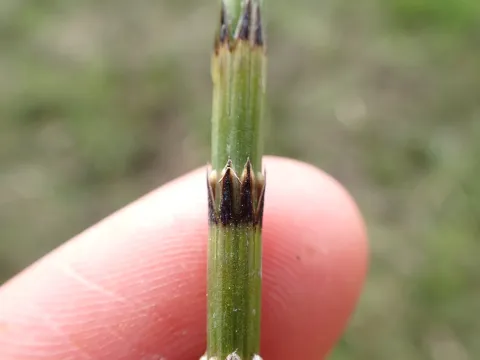
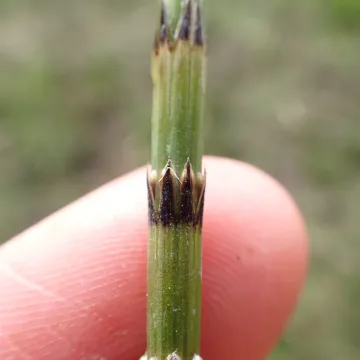
Botanically, it is distinguished by its jointed, ribbed stems and terminal spore-bearing cones. The plant is notoriously toxic to livestock, containing the alkaloid palustrine. Consuming marsh horsetail, whether fresh or dried in hay, can lead to chronic poisoning in horses and cattle, affecting their nervous system and overall health. Its high silica content also makes it highly resistant to physical degradation.
Agricultural management of this species focuses on addressing the underlying soil conditions that favor its growth. Since it thrives in acidic and wet environments, effective control strategies include land drainage improvements and soil liming to raise the pH. Mechanical methods such as mowing are often insufficient on their own due to the deep-seated nature of the rhizomes, requiring a combination of cultural and chemical interventions.
- Implementation of field drainage systems to reduce soil moisture.
- Application of agricultural lime to neutralize acidic soil pH.
- Strategic mowing to weaken the rhizome reserves over time.
- Use of systemic herbicides to target the root system effectively.
While having no agricultural utility, marsh horsetail is a resilient species that is rarely affected by typical crop diseases or insect pests, thanks to the high silica levels in its stems. Its ability to persist in difficult conditions makes it a priority weed for farmers aiming to maintain high-quality, toxin-free forage for their livestock herds.
Photo gallery