Egyptian lovegrass
Eragrostis aegyptiaca
Description
Egyptian lovegrass (Latin: Eragrostis aegyptiaca) is an annual grass species belonging to the family Poaceae. This plant is recognized for its impressive resilience in arid environments, serving as a specialized forage resource in regions where traditional moisture-loving grasses struggle to survive.
The native range of this species is centered in Northern Africa and parts of the Middle East. It is predominantly found in riverine floodplains and areas that experience seasonal flooding. Its ecological niche is specifically adapted to environments that transition rapidly between periods of high moisture and intense drought.
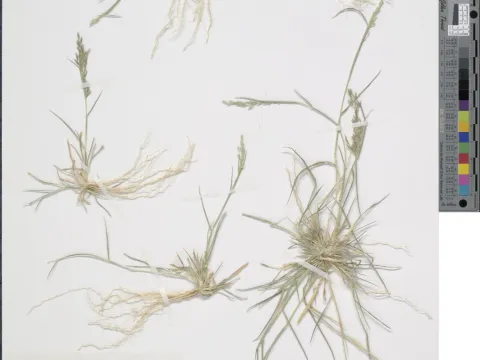
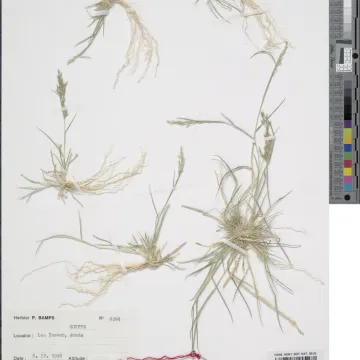
Botanically, the plant develops into loose tufts characterized by narrow leaf blades and delicate, spreading panicles. Its root system is designed for quick absorption of surface water, supporting a rapid physiological cycle that allows the plant to produce biomass effectively during short growing seasons.
Regarding cultivation, the crop thrives in well-drained, sandy, or light-textured soils that receive ample solar radiation. It is highly intolerant of shade. Agricultural management focuses on timely sowing when soil temperatures are sufficiently warm to promote rapid germination, followed by minimal maintenance due to the species' inherent environmental hardiness.
The primary economic value of Egyptian lovegrass lies in its role as a forage crop. It is utilized both as a grazing source for livestock and as a component for hay production in arid-land farming systems. While susceptible to common grass pathogens like rusts or aphids, the impact of these pests is generally minimized by the plant's fast-paced growth and the specific dry environments in which it is typically cultivated.
Photo gallery