
Elbe lovegrass
Eragrostis albensis
Description
Elbe lovegrass (Latin: Eragrostis albensis) is a perennial grass belonging to the Poaceae family. This species is recognized for its adaptation to specific floodplain environments and serves as a valuable case study in agricultural grass research, particularly regarding its hardiness and biomass production potential.
The origin of this species is primarily traced to the riparian zones of the Elbe River basin in Central Europe. Its native range defines the specific environmental requirements it has today, as it is evolved to thrive in alluvial soils that are subject to the seasonal dynamics of water flow and sedimentation.
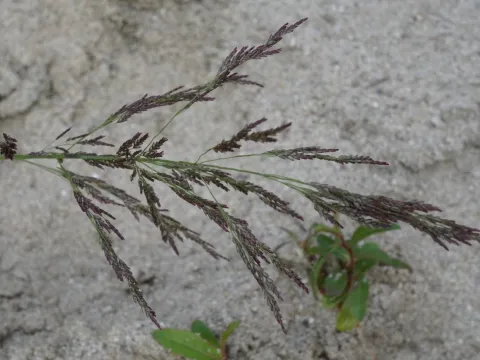
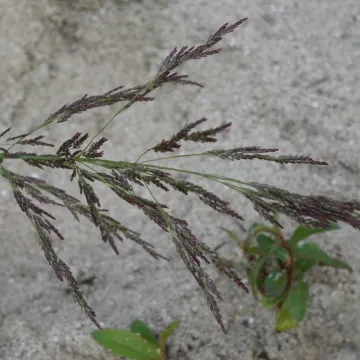
Botanically, it features a tufted growth habit with slender, linear leaves and delicate panicle inflorescences. Its root system is exceptionally dense, which facilitates both soil stabilization and efficient nutrient uptake. This structural feature allows the plant to persist in fluctuating moisture levels that would inhibit other types of grasses.
Successful cultivation requires a climate that supports moderate moisture and temperatures. The ideal soil profile for Elbe lovegrass is a fertile, well-drained loam. While it shows resilience to temporary flooding, consistent waterlogging should be avoided to prevent root rot. Management involves periodic mowing to encourage denser growth and maintain the quality of the foliage.
The agricultural usage of this crop focuses on:
- High-quality hay production for livestock.
- Soil conservation in riparian zones.
- Restoration of biodiversity in grasslands.
Typical issues involve susceptibility to rust fungi and powdery mildew, which thrive in high-humidity conditions. Pest management focuses on monitoring local insect populations, such as leafhoppers, which can impact the vegetative vigor if not managed through proper canopy aeration and, when necessary, targeted agricultural practices.
Photo gallery