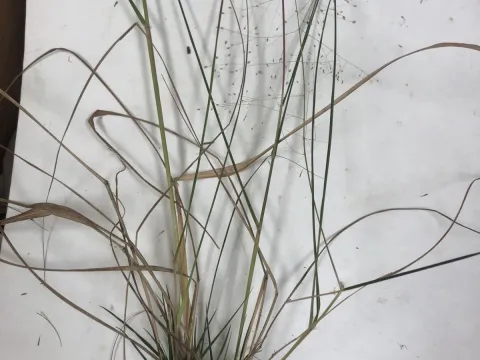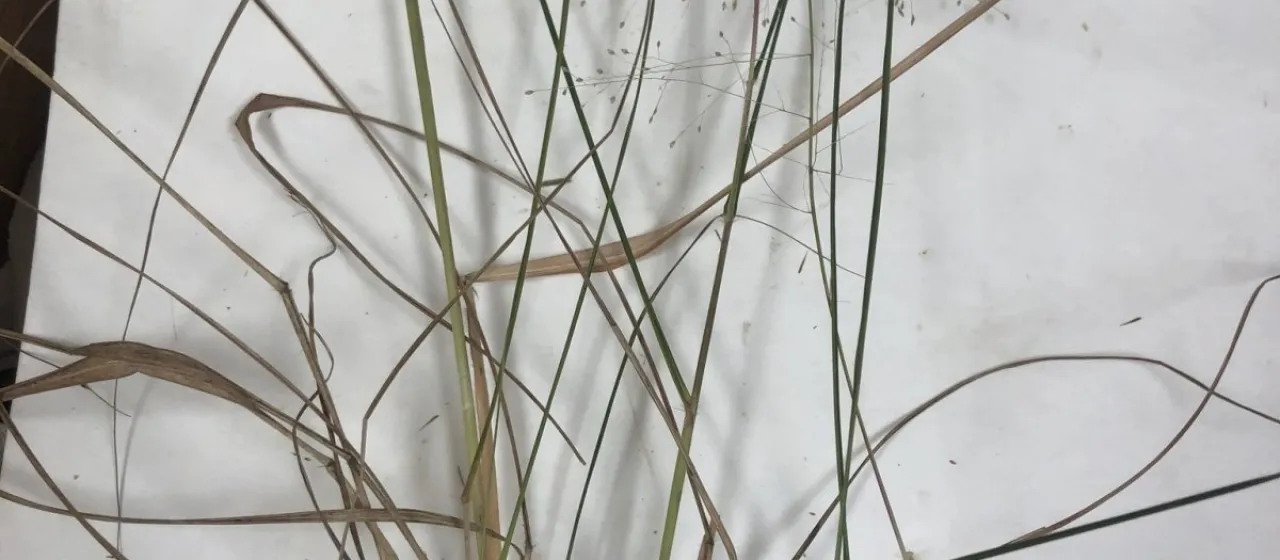
Description
Lace grass (lat. Eragrostis capillaris) is an annual grass species belonging to the Poaceae family. Often recognized by its delicate, hair-like appearance, it serves as a resilient component of grasslands. While not a primary high-yield crop, its adaptive qualities make it a subject of interest for soil conservation and low-input forage systems.
Native to North America, the plant is naturally found in dry, open woods, rocky barrens, and fields. Over time, its range has expanded, and it has established itself in various temperate zones. It is highly valued for its ability to thrive in environments where other, more demanding grass species struggle to establish themselves.
Botanically, Eragrostis capillaris is defined by its slender, erect culms that can grow up to 60 cm. The inflorescence is a wide, spreading panicle with extremely thin, thread-like branches, which gives the plant its common name. The leaves are narrow and often involute, providing an efficient strategy for water conservation in arid conditions.
In terms of agricultural requirements, this species prefers well-drained, sandy, or gravelly soils. It is exceptionally drought-tolerant and requires full sun to reach maturity. Agronomic management focuses on preventing waterlogging, as the plant is susceptible to root rot in saturated conditions, and ensuring that seeding rates account for its lightweight, tiny seeds.
The primary agricultural use of Lace grass is in extensive pasture management and site stabilization. It contributes to biomass production in grazing systems with low fertility. Typical pests and diseases include those common to the Eragrostis genus, such as rust fungi (Puccinia spp.) and aphids. Implementing good field hygiene and crop rotation helps mitigate these biological threats.
Photo gallery