Elegant lovegrass
Eragrostis elegans
Description
Elegant lovegrass (Latin Eragrostis elegans) is an annual grass species belonging to the Poaceae family. This plant is widely recognized in professional landscaping and botanical research for its delicate structural appearance and its high adaptability to varying environmental conditions within temperate and warm regions.
The plant originates from tropical and subtropical regions, having adapted to thrive in environments with significant light exposure. Over time, its cultivation has spread globally, primarily favored by enthusiasts of ornamental horticulture and experimental agriculture, due to the plant's ability to colonize light-textured, well-drained habitats effectively.
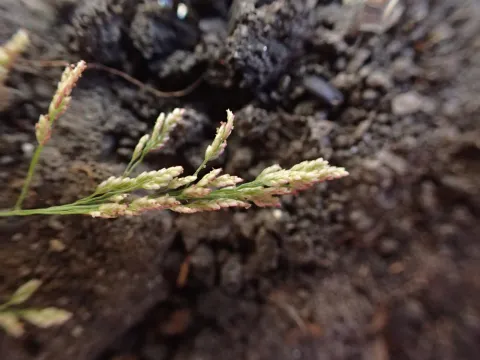
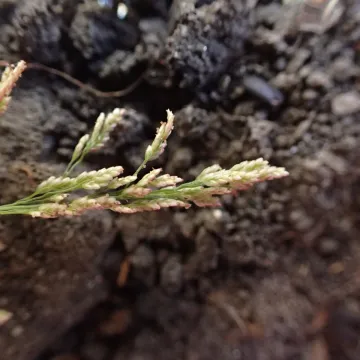
From a botanical perspective, Eragrostis elegans features slender, upright stems and narrow, grass-like leaves. Its defining characteristic is the panicle inflorescence, which consists of numerous small, airy spikelets. This structure gives the plant a graceful, swaying appearance, making it highly valued for its aesthetic contribution to garden borders and meadow-style landscape plantings.
Agronomic requirements are centered on providing full sun exposure and well-drained soil. It thrives in sandy or loamy substrates where water does not stagnate. While the species demonstrates significant drought tolerance once established, consistent moisture during the initial growth phase is critical for maximizing biomass and ensuring proper stem development for its flowering period.
Primary applications for the crop include:
- Ornamental garden planting to provide texture in flower beds.
- Use as a high-quality dried flower in floral arrangements.
- Soil stabilization in light-textured terrain.
- Exploration for grazing potential in arid climate zones.
Common issues during cultivation involve fungal diseases associated with poor drainage, such as root rot. Pests, particularly aphids and mites, may impact the plant's vigor during periods of extreme drought and heat. Integrated management, focusing on proper spacing and controlled irrigation, is essential to mitigate these risks and ensure the plant's longevity and health.
Photo gallery