Elliott's lovegrass
Eragrostis elliottii
Description
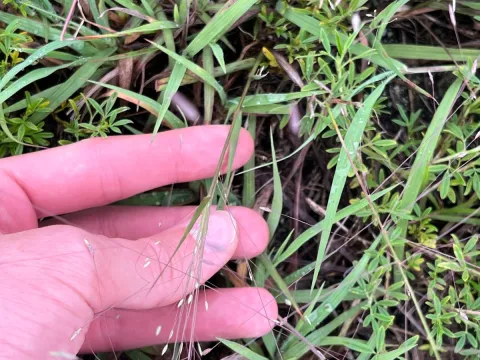
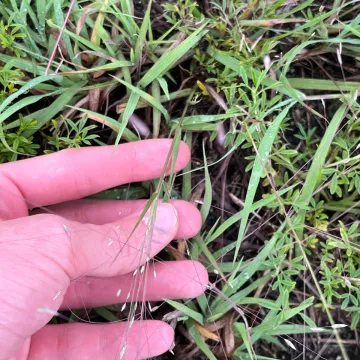
Elliott's lovegrass (Eragrostis elliottii) is a perennial grass species belonging to the Poaceae family. It is widely recognized for its delicate foliage and airy, open panicles that add a distinct texture to various environments. This grass is prized for its ability to maintain an elegant appearance with minimal human intervention.
Originating from the southeastern United States, this species is naturally adapted to sandy soils, coastal dunes, and open, dry habitats. Its evolutionary history has made it exceptionally tolerant of high heat and periodic drought conditions, allowing it to thrive where more demanding crops might fail to establish a healthy root system.
Botanically, Eragrostis elliottii is characterized by its tufted growth habit and blue-green foliage that transitions into soft-colored inflorescences. The root system is quite extensive relative to its size, which provides structural integrity to loose soils and helps in preventing topsoil displacement caused by wind or light surface water flow.
For successful cultivation, the agronomist should ensure well-draining soil conditions, as the plant is highly susceptible to root rot if water stagnation occurs. It prefers full sun exposure and generally requires no supplementary fertilization, as excessive nutrients can negatively impact its natural form and increase susceptibility to environmental stress.
In practice, this crop serves multiple purposes, primarily in ornamental gardening, ecological restoration, and sand dune stabilization projects. Due to its robust nature, it remains relatively free from severe pests and diseases, making it a sustainable choice for large-scale landscaping and erosion control efforts in suitable climatic zones.
Photo gallery