
Frank's lovegrass
Eragrostis frankii
Description
Frank's lovegrass (Eragrostis frankii) is an annual grass species belonging to the Poaceae family. While it is not a primary cultivated crop, its biology is of significant interest to agronomists as it frequently occurs in disturbed agricultural landscapes and contributes to the biodiversity of field margins.
The species is native to North America, where it typically inhabits sandy soil environments, riverbanks, and open prairies. Its distribution has expanded over the years due to its highly efficient seed dispersal mechanisms and generalist adaptability to varying light and moisture regimes within the temperate zone.
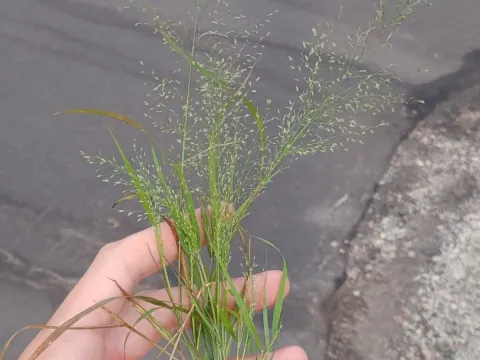
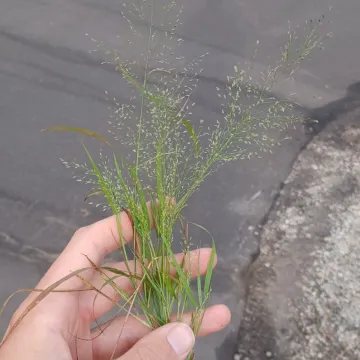
Morphologically, Frank's lovegrass is characterized by a tufted growth habit with stems reaching heights of 20 to 60 centimeters. The leaves are slender and often scabrous, providing a unique texture compared to other species in the Eragrostis genus. Its panicle inflorescence is typically delicate, producing numerous small seeds capable of long-term viability in the soil.
From an agricultural management perspective, this plant thrives in well-drained, nutrient-poor, and sandy soils. It is particularly competitive in early growth stages, benefiting from high solar radiation and low competition for water. Effective field management involves maintaining healthy crop density and utilizing mechanical weeding strategies during the seedling stage.
While not traditionally utilized as a major agricultural crop, Frank's lovegrass is occasionally evaluated for soil stabilization purposes in degraded sandy environments. It is generally resistant to many common pests but may occasionally be affected by rust fungi or aphids, typical for the Poaceae family. Integrated pest management remains the most effective approach if the plant becomes overly invasive.
- Family: Poaceae
- Lifecycle: Annual
- Growth habit: Tufted, upright
- Preferred soil: Sandy, well-drained
- Primary use: Soil stabilization, biodiversity maintenance
Photo gallery