Intermediate lovegrass
Eragrostis intermedia
Description
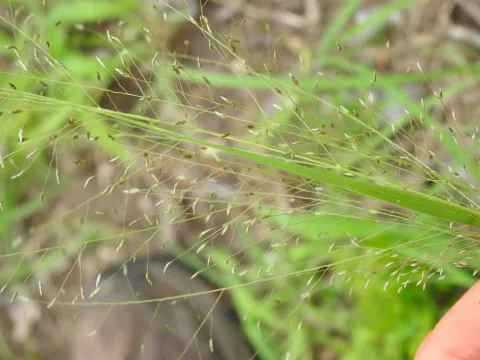
Intermediate lovegrass (Eragrostis intermedia) is a perennial grass species belonging to the Poaceae family. This resilient plant is native to the Americas and is recognized for its ability to thrive in challenging environmental conditions, making it a valuable asset for rangeland restoration and forage production.
The plant originates primarily from North and South American prairies, where it has adapted to fluctuating moisture levels and diverse soil types. Over time, it has been integrated into various agricultural systems as a reliable source of biomass for livestock grazing and soil stabilization efforts in semi-arid environments.
Botanically, Eragrostis intermedia is defined by its dense bunchgrass growth habit, narrow leaf blades, and delicate, open panicle inflorescences. Its robust root system allows for high drought tolerance, as it can access deep soil moisture during dry spells, which helps maintain ground cover throughout the growing season.
Cultivation requirements for this species are relatively modest compared to intensive crops. It thrives in well-drained soils, including sandy or rocky substrates, and requires full sun exposure to reach its maximum productivity. Proper management involves minimizing soil compaction and ensuring that grazing pressures do not exhaust the plant's carbohydrate reserves in the root crown.
Regarding its utility, the grass is primarily used for hay production, pasture enrichment, and as a component of erosion control programs on degraded land. While generally resistant to major agricultural pests, farmers should remain vigilant against common grass pathogens like rust fungi, which may occur in seasons with abnormal precipitation patterns.
Photo gallery