Kennedy's lovegrass
Eragrostis kennedyae
Description
Kennedy's lovegrass (Eragrostis kennedyae) is a perennial grass species belonging to the Poaceae family. Recognized for its resilience, this crop serves as a valuable genetic resource in arid agricultural zones, where it is cultivated primarily for its ability to thrive in challenging environments.
The species originates from Australia, naturally occurring in dryland habitats. Its range of cultivation is focused on regions characterized by low precipitation and intense heat, where its physiological adaptations allow it to maintain biomass production while other grasses fail to survive.
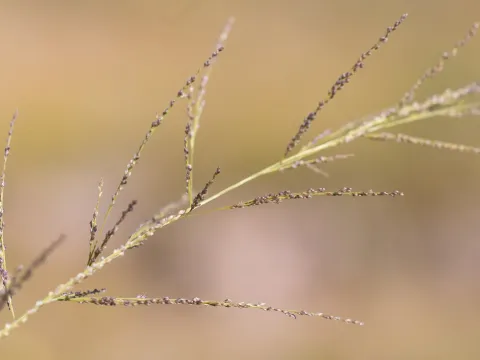
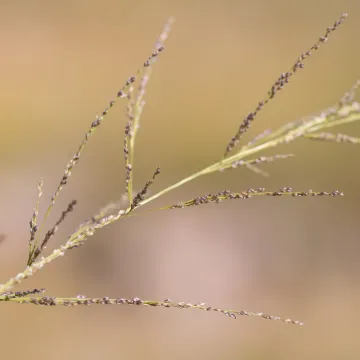
Botanically, the plant grows in dense tussocks with slender leaves and characteristic panicle inflorescences. Its deep-reaching root system is its primary mechanism for survival, allowing for efficient nutrient uptake and providing soil stabilization in sandy or rocky substrates common in its native range.
Agronomic requirements for this crop are relatively modest. It performs best on well-drained, porous soils. While it is highly self-sufficient, optimizing the seedbed during initial establishment is critical for ensuring a uniform stand. Minimal tillage practices are generally sufficient for maintaining the crop's health and productivity over several seasons.
- Excellent drought and heat tolerance
- High biomass regeneration post-grazing
- Low input requirements for fertilizers
- Soil erosion prevention capabilities
The primary agricultural utility of Kennedy's lovegrass is in grazing systems and pasture improvement for livestock. It provides a reliable source of roughage in environments where forage availability is seasonally constrained. Furthermore, it is increasingly used in land rehabilitation projects to restore degraded ecosystems.
Diseases and pests affecting Eragrostis kennedyae are relatively limited due to its evolutionary adaptation to harsh conditions. However, leaf spot pathogens can emerge during prolonged humid spells, and grasshoppers may cause localized damage. Field management should focus on maintaining stand vigor to enhance natural resistance to these biotic pressures.
Photo gallery