Paddock lovegrass
Eragrostis leptostachya
Description
Paddock lovegrass (Eragrostis leptostachya) is a perennial grass species belonging to the family Poaceae. It is recognized in agricultural science for its resilience and utility as a hardy forage crop, particularly in environments prone to moisture stress and variable climatic conditions.
Native to Australia, this grass has evolved to thrive in diverse soil profiles, ranging from heavy clays to sandy loams. Its natural range has expanded through agricultural adoption, where it is utilized for both fodder production and land rehabilitation projects, serving as a robust ground cover to mitigate soil erosion.
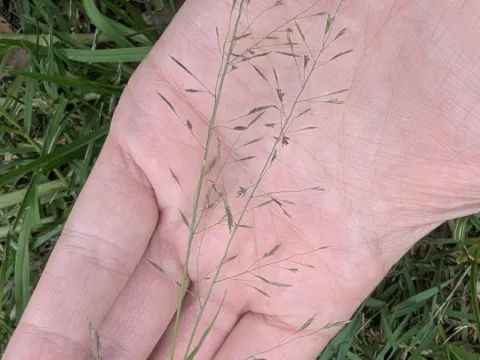
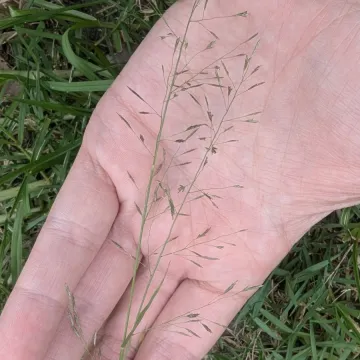
The botanical structure of Paddock lovegrass features slender culms and narrow leaf blades, forming dense clumps that provide excellent soil protection. The root system is fibrous and deep, allowing the plant to remain viable during prolonged dry spells while maintaining its nutritional profile for grazing livestock.
Regarding cultivation, Eragrostis leptostachya prefers well-drained soil environments and exhibits moderate tolerance to low fertility. Optimal growth is achieved in sunny locations with minimal shading. Key management practices include:
- Controlled grazing to prevent over-defoliation.
- Periodic nutrient supplementation to optimize biomass yield.
- Strategic mowing to maintain the vegetation in a vegetative state.
The primary agricultural applications involve its use as a primary forage source and for pasture improvement. While generally robust, the crop can be susceptible to leaf-spot pathogens during humid seasons and occasional infestations by sap-sucking insects, which necessitates a balanced approach to field monitoring and integrated pest management.
Photo gallery