Maderaspatana lovegrass
Eragrostis maderaspatana
Description
Maderaspatana lovegrass (Eragrostis maderaspatana) is a perennial grass species belonging to the Poaceae family. Within the agricultural sector, it is recognized as a hardy forage plant that provides essential biomass in regions where environmental conditions limit the cultivation of more demanding traditional grain or fodder crops.
Originating from the tropical regions of Asia, specifically areas in India and the surrounding territories, this plant has spread through diverse arid and semi-arid environments. Its native range is characterized by highly variable rainfall patterns and poor, often rocky or sandy soil types, to which the plant has developed a strong evolutionary adaptation.
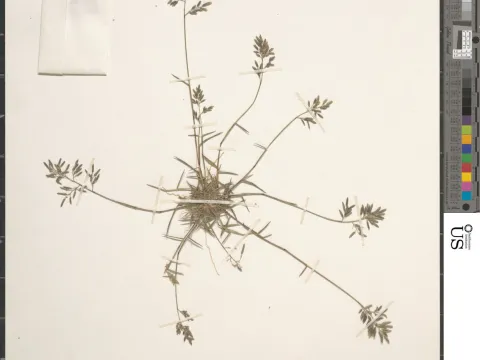
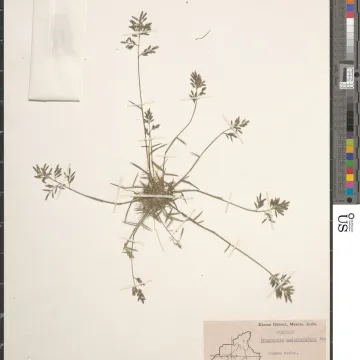
The botanical structure of this species includes dense tufts of narrow, fibrous leaves and panicle-type inflorescences. Its root architecture is notably robust, allowing the plant to stabilize soil particles effectively while tapping into deeper moisture reserves. This physical configuration makes it an excellent candidate for ecological restoration and soil erosion control.
Regarding cultivation requirements, the plant thrives in well-drained soils and requires full sun exposure for optimal photosynthetic efficiency. Agrotechnical management is relatively straightforward: it relies on controlled grazing cycles or strategic cutting to prevent the plant from becoming too coarse and woody as it reaches full maturity.
The primary agricultural application for this crop is livestock forage, often used as standing hay or managed grazing in marginal lands. While it remains largely resistant to common agricultural pests, management should involve monitoring for typical grass-infesting insects. Due to its minimal input requirements, it serves as a sustainable option for farmers operating in water-scarce or low-fertility zones.
Photo gallery