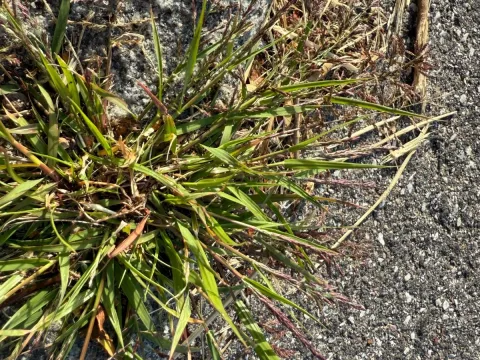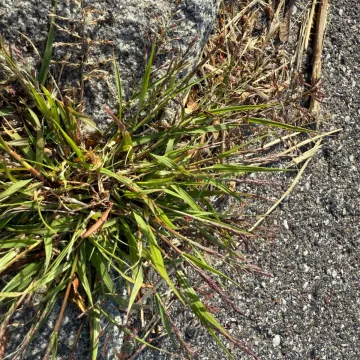
Eragrostis multicaulis
Eragrostis multicaulis
Description
Eragrostis multicaulis, commonly known as various types of lovegrass, is an annual grass belonging to the Poaceae family. This crop is increasingly recognized in agronomy for its resilience and ability to establish itself in environments where other high-yield grasses struggle to survive, making it a valuable candidate for marginal land development.
The plant originates from East Asia, but it has naturalized across many temperate and subtropical regions globally. Its wide distribution is a testament to its ecological plasticity, allowing it to colonize diverse landscapes from disturbed agricultural fields to abandoned meadows, demonstrating strong reproductive success.
Botanically, Eragrostis multicaulis is characterized by its tufted growth habit with numerous slender, upright stems typically growing up to 50 cm in height. Its leaves are thin and linear, often exhibiting drought-adaptive traits such as folding. The inflorescence is a delicate, spreading panicle, which produces a large quantity of small seeds, ensuring the population's survival across seasons.
Regarding cultivation, the plant is not demanding regarding soil quality, performing well in sandy and well-drained soils. It requires full sun exposure for optimal biomass production. Agronomic practices include sowing in early spring when the soil temperature rises and ensuring that the field is not overcrowded to prevent competition for light and nutrients among individual plants.
The main agricultural and economic uses for this species include:
- Utilizing the biomass as supplemental grazing forage for livestock.
- Harvesting for hay when the grass is in its early vegetative stage for maximum nutrition.
- Providing ground cover for soil stabilization in erosion-prone areas.
- Functioning as a low-input crop for land reclamation projects.
In terms of plant health, Eragrostis multicaulis is generally hardy. However, it can be susceptible to common grass diseases like rust and powdery mildew during excessively humid periods. Integrated pest management, focusing on proper soil drainage and balanced sowing densities, is usually sufficient to mitigate risks from common pests like aphids and grain beetles.
Photo gallery