Southern lovegrass
Eragrostis oxylepis
Description
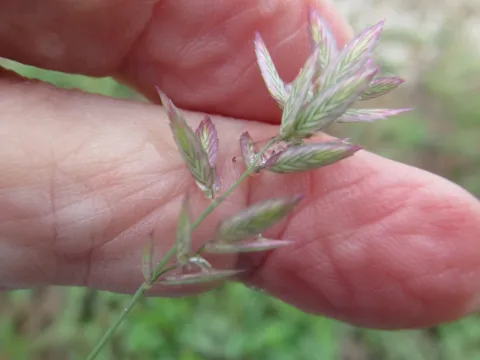
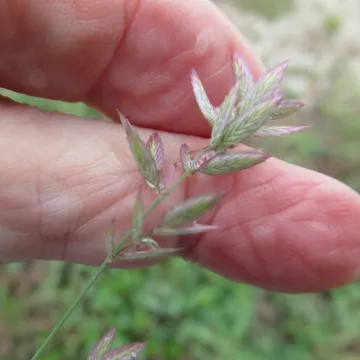
Southern lovegrass (Eragrostis oxylepis) is a perennial bunchgrass belonging to the Poaceae family. Native to the southern United States and northern Mexico, it is a key component of warm-season grasslands, highly valued for its persistence and adaptability in challenging arid environments.
The plant features narrow, firm leaves and distinctively large, flattened, spike-like panicles that are often purplish in color. Its root system is deep and fibrous, which allows it to stabilize loose soil surfaces effectively and survive in sandy or gravelly conditions where other vegetation struggles.
The species is strictly a warm-season grass, requiring significant heat for germination and active growth. It is exceptionally drought-tolerant and performs best in well-drained, nutrient-poor soils. It does not tolerate waterlogging, making it unsuitable for heavy, poorly drained clay soils.
In agricultural practice, Southern lovegrass is used for rangeland restoration, soil erosion control, and as a forage source. Although it may not yield the same biomass as intensive forage crops, its ability to remain productive during hot, dry summer months makes it an important resource for livestock grazing.
The crop is relatively pest-free compared to common forage cereals. While occasionally affected by leaf-feeding insects or localized rusts in very humid years, its natural hardiness usually renders chemical intervention unnecessary, making it a sustainable choice for extensive land management systems.
Photo gallery