Weeping lovegrass
Eragrostis parviflora
Description
Weeping lovegrass (Latin: Eragrostis parviflora) is a grass species within the Poaceae family. Known for its resilience and adaptability, this crop has gained attention in agricultural science as an efficient forage plant capable of surviving in diverse soil conditions, ranging from low-nutrient sands to more developed agricultural plots.
The native range of this plant is concentrated in Australia, where it has evolved to thrive in semi-arid environments. Over time, its cultivation has spread to various international regions, particularly those requiring reliable ground cover and forage production in hot, dry climates. It serves as a vital component in grassland stabilization projects due to its persistent nature.
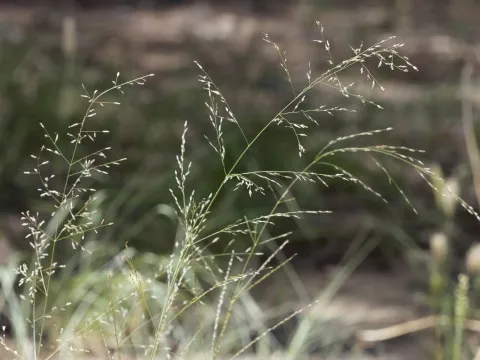
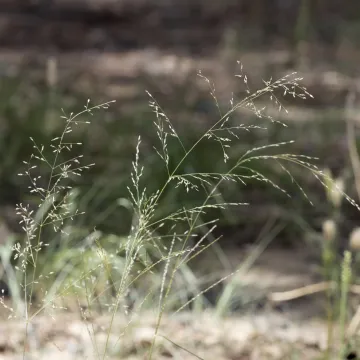
Botanically, the plant presents as a tufted perennial with slender, elongated stems. Its primary identifying feature is the delicate, spreading panicle bearing small spikelets, which gives the plant a graceful appearance. The root system is fibrous and deep, allowing the plant to reach moisture reserves that are often inaccessible to other shallow-rooted pasture grasses.
Agricultural requirements for this crop are relatively straightforward. It thrives in full sunlight and prefers well-drained soil types. While it can withstand periods of drought, irrigation during the establishment phase significantly improves final biomass yields. Regular mowing or controlled grazing helps maintain the vigor of the stand and prevents the grass from becoming overly stemmy and less palatable.
Main economic uses include:
- Livestock grazing in extensive farming systems.
- Hay production when harvested at the peak of vegetative growth.
- Erosion control on sloping terrains and degraded landscapes.
- Use in sustainable agricultural buffers and biodiversity corridors.
Despite its toughness, the crop is susceptible to certain pathogens, particularly leaf rust, which can proliferate under high-humidity conditions. Insect pests such as wireworms and aphids occasionally attack young seedlings, potentially reducing stand density. Effective management includes strategic grazing rotations, proper field drainage, and integrated pest management practices to ensure long-term productivity.
Photo gallery