Eragrostis pseudosclerantha
Eragrostis pseudosclerantha
Description
Eragrostis pseudosclerantha is a perennial grass species belonging to the Poaceae family. Recognized for its resilience, this plant is increasingly studied as a viable forage crop in arid and semi-arid regions where conventional grasses fail to survive due to water scarcity and poor soil quality.
Originating from the drought-prone regions of Africa, this species has evolved to thrive in sandy substrates and extreme environmental conditions. Its natural habitat includes grasslands where it functions as a primary producer, providing essential biomass for grazing animals and soil stability against erosion.
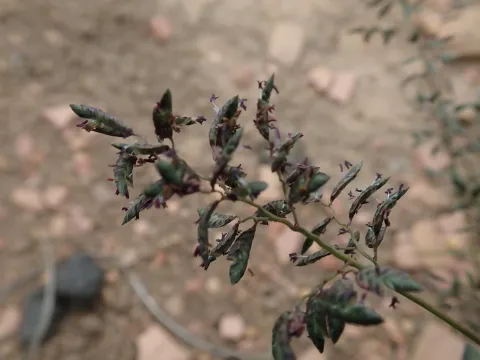
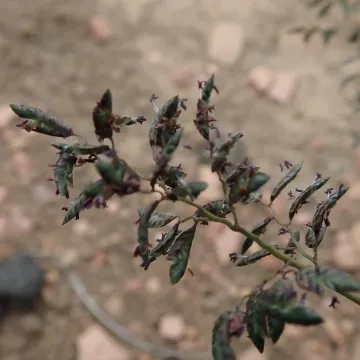
Botanically, the plant is characterized by a dense, fibrous root system that penetrates deep into the soil profile. It features slender stems and narrow, durable leaves that maintain nutritional value during dry seasons. The inflorescence is a delicate, open panicle, which contributes to high seed viability and effective natural propagation across various landscapes.
Agricultural requirements for this crop focus on well-drained soil and adequate sunlight exposure. While it is highly drought-tolerant, optimal growth is achieved through initial irrigation during the seedling stage. Minimal tillage is recommended to preserve soil moisture, and periodic fertilization can significantly boost the biomass yield during the primary growth cycle.
The primary economic use is pasture grazing and hay production, serving as a reliable feed source during lean periods. Common challenges for the grower include:
- Leaf rust infections during periods of high humidity.
- Infestations of cutworms and other foliage-eating pests.
- Slow initial growth rate, which requires effective weed control strategies.
Photo gallery