Eragrostis refracta
Eragrostis refracta
Description
Eragrostis refracta, commonly known as coastal lovegrass, is a perennial grass species belonging to the Poaceae family. In agronomy, it is recognized for its durability and its ability to thrive in environments where nutrient-demanding crops struggle to establish themselves, making it a valuable subject for pasture management.
Native to North America, particularly the coastal plains of the United States, this grass species has a wide range that spans across varying moisture levels. It is typically found in moist sandy habitats, edges of wetlands, and disturbed soil areas. Its natural distribution highlights its resilience in conditions that undergo periodic saturation or drought, ensuring year-round ground cover.
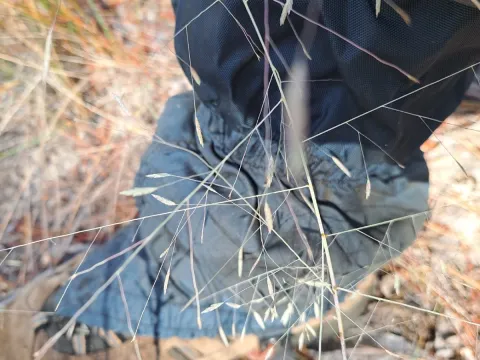
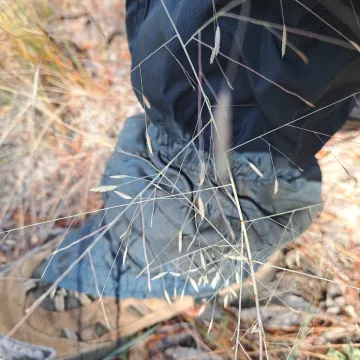
The botanical structure of Eragrostis refracta features tufted growth habits with stiff, erect culms that can reach significant heights under optimal conditions. The foliage is characteristically narrow and sometimes rough to the touch. The inflorescence is a distinct, often spreading panicle that facilitates efficient seed dispersal, contributing to the plant's aggressive colonization of open niches.
- Requires well-drained, sandy, or acidic soil types.
- Shows moderate tolerance to temporary soil waterlogging.
- Responds positively to nitrogen fertilization during the growing season.
- Benefits from rotational grazing to maintain stand health and vigor.
In agricultural practice, this species is primarily utilized for grazing and forage production in marginal lands where higher-yielding grasses fail. It provides adequate fiber content for livestock diets, especially in extensive grazing systems. While generally hardy, the crop may be susceptible to common rust diseases and various stem-boring insects, which require monitoring through integrated pest management strategies.
Photo gallery