Creeping lovegrass
Eragrostis reptans
Description
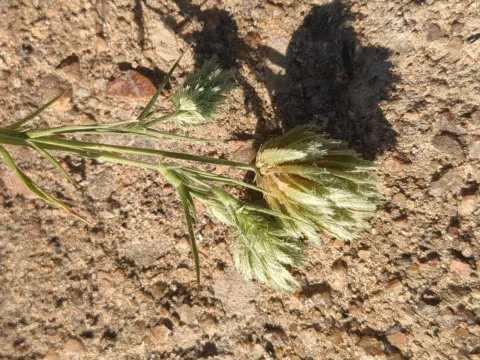
Creeping lovegrass (Eragrostis reptans) is an annual grass species belonging to the Poaceae family. Recognized for its prostrate growth habit and ability to colonize saturated soil conditions, this plant serves as a niche species in agricultural ecology, particularly in land restoration and pasture management.
Originating from the Americas, the species is naturally distributed in habitats characterized by high moisture levels, such as river floodplains, wet meadows, and sandy banks. Its adaptation to these environments makes it a hardy species when conditions provide the necessary moisture, though it remains sensitive to arid environments.
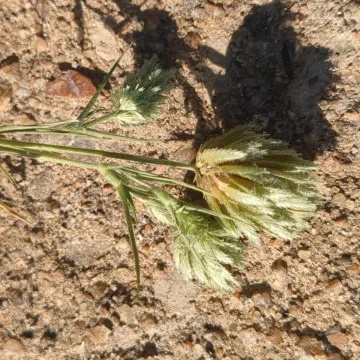
Botanically, the plant features creeping stems that root at the nodes, forming mats that effectively cover the soil surface. The foliage consists of narrow leaves, and the reproductive structure is a panicle that produces numerous small seeds. This growth strategy allows for rapid establishment and competitive colonization of suitable ecological niches.
Agronomic requirements emphasize the need for moist, nutrient-rich soils and full sunlight exposure. Cultivation practices should focus on maintaining adequate hydration throughout the growing season, as drought stress significantly hinders biomass production. Effective soil preparation before sowing is essential to ensure consistent germination of the small seeds.
In terms of agricultural utility, Creeping lovegrass is primarily utilized for livestock grazing and as a bio-engineering tool for stabilizing erosion-prone soils.
- Management of moisture prevents fungal diseases.
- Controlled grazing maintains plant vigor.
- Competitive weed control is necessary during the seedling stage.
Photo gallery