Schimper's lovegrass
Eragrostis schimperi
Description
Schimper's lovegrass (Eragrostis schimperi) is a perennial grass species belonging to the family Poaceae. This plant is recognized for its ecological importance as a dominant species in high-altitude grasslands, contributing significantly to the stability of local pastoral systems.
Originating from the Ethiopian Highlands, this grass is well-adapted to tropical alpine climates. Its natural range is restricted to high-elevation environments where it thrives in rocky or volcanic soils, demonstrating a high degree of evolutionary resilience to cold nights and intense diurnal solar radiation.
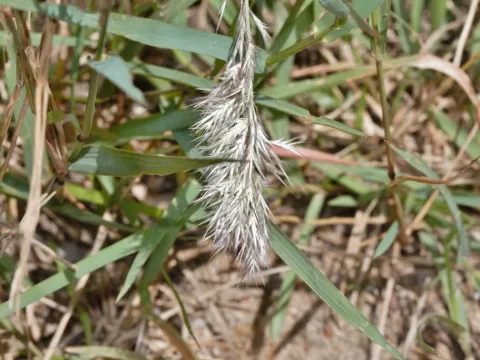
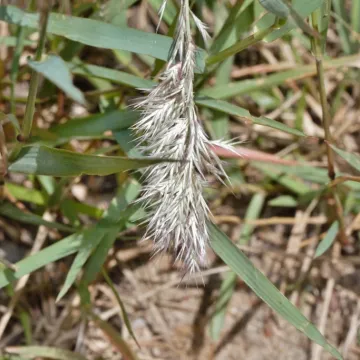
The botanical structure of Eragrostis schimperi is characterized by dense tufts and slender, linear leaves that minimize water loss. The inflorescence consists of a characteristic panicle with numerous spikelets. Its root system is deeply fibrous, allowing the plant to exploit nutrients and moisture even in thin, nutrient-poor substrate layers.
For successful cultivation, it requires well-drained soil conditions and full exposure to sunlight. While the plant is drought-tolerant, it shows sensitivity to waterlogging. Standard agricultural practices involve managing grazing intervals and preventing soil compaction to ensure the longevity of the pasture stands.
This grass is primarily utilized as forage for livestock, providing essential biomass in regions where other forage crops struggle to establish. It also serves as a protective ground cover for soil erosion control. Typical challenges include susceptibility to fungal infections under prolonged damp conditions and occasional damage from grass-specialized pests, though it remains a hardy and reliable forage option.
Photo gallery