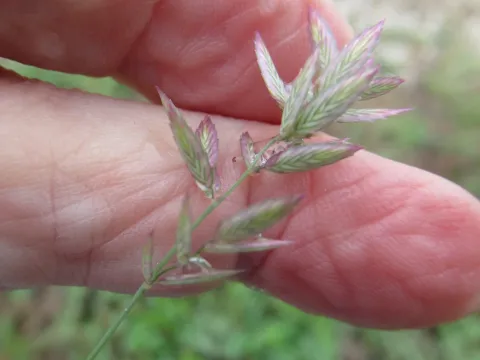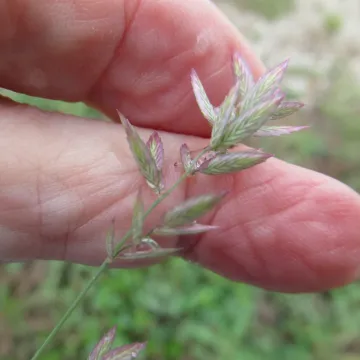
Eragrostis secundiflora
Eragrostis secundiflora
Description
Eragrostis secundiflora is a perennial grass species belonging to the Poaceae family. In agronomic practice, this plant is recognized as a hardy forage grass known for its remarkable ability to persist in harsh, arid, and nutrient-poor environments. It serves as a vital component in rangeland management where other high-input crops often fail.
Originating from North America, this species is native to sandy soils and dry prairies. Its distribution is primarily concentrated in the United States and parts of Mexico, where it has historically played a significant role in stabilizing sandy substrates. Due to its evolutionary adaptation to hot climates, it is increasingly studied for potential use in sustainable agricultural systems in semi-arid regions.
From a botanical perspective, the plant is characterized by its tufted growth habit and sturdy, fibrous root system. The stems are erect and can vary in height depending on local moisture availability. The leaves are typically narrow, somewhat rigid, and folded, which minimizes water loss. The inflorescence is a panicle, often dense and secund, making the plant easily distinguishable during the flowering stage.
Agricultural requirements focus on well-drained, light-textured soils such as sands or sandy loams. The plant is highly drought-tolerant once established. Cultivation practices involve shallow seeding depth due to the small size of the seeds and ensuring minimal weed competition during the seedling stage. Once the stand is established, it requires little maintenance, making it an economically viable option for extensive pasture systems.
The primary agricultural applications of Eragrostis secundiflora include:
- Forage production for livestock grazing during dry seasons.
- Soil stabilization and erosion control on sandy and degraded lands.
- Incorporation into seed mixes for range restoration and reclamation projects.
While generally resilient, the crop can be affected by various fungal pathogens like leaf rust if environmental humidity remains high for prolonged periods. Common pests include grasshoppers and certain stem-boring insects, although significant outbreaks are rarely observed. Management strategies, such as controlled rotational grazing, are recommended to maintain plant vigor and prevent the buildup of stagnant vegetation.
Photo gallery