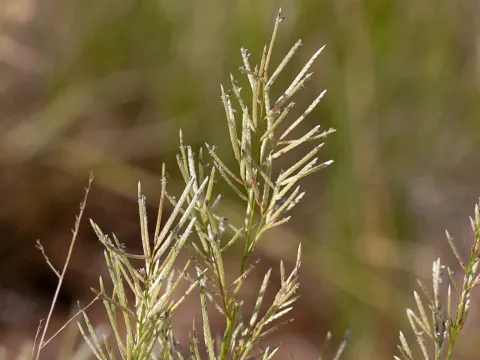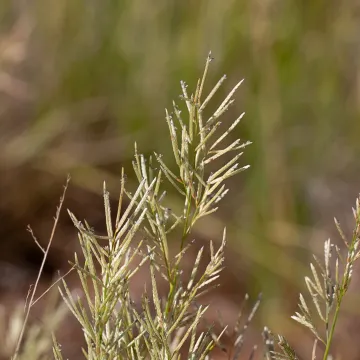
Bristly lovegrass
Eragrostis setifolia
Description
Bristly lovegrass (Eragrostis setifolia) is a robust perennial grass species belonging to the Poaceae family. This species is highly regarded for its exceptional resilience and its ability to thrive in harsh environments where many other forage crops would fail to establish.
Native to Australia, this grass is predominantly found across arid and semi-arid inland regions. It has evolved to survive in challenging environments characterized by sporadic rainfall and nutrient-poor, sandy, or rocky soils, making it an essential component of the native ecosystem.
Botanically, Eragrostis setifolia is characterized by its compact, tufted growth habit and rigid, bristle-like leaves. These adaptations are critical for moisture retention and protection against mechanical damage. The extensive root system allows the plant to anchor effectively in loose soils, playing a vital role in preventing erosion.
Cultivation requirements for bristly lovegrass focus on well-drained soils and full sun exposure. It is highly drought-tolerant, meaning it requires little to no supplemental irrigation once established. In terms of agronomy, it is often managed as a permanent pasture grass, providing a reliable feed source when seasonal variations affect other vegetation.
The primary economic use of this plant includes livestock grazing and land reclamation projects. It serves as a source of hardy forage for cattle and sheep. Key attributes of the crop include:
- Superior drought and heat tolerance.
- Strong soil-binding properties for erosion control.
- High survival rate in low-fertility soils.
- Excellent regrowth potential after grazing.
The crop is remarkably resistant to typical agricultural pests, thanks to its coarse leaf texture which acts as a deterrent. Disease pressure remains low, provided that the plants are not exposed to prolonged waterlogging, which can lead to root rot. Good field management practices, such as preventing overgrazing, ensure the longevity of the stand.
Photo gallery