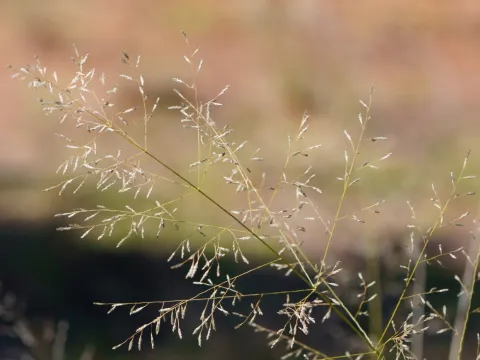
Eragrostis trichophora
Eragrostis trichophora
Description
Eragrostis trichophora is a perennial grass species belonging to the Poaceae family. Recognized for its resilience and adaptability, this species is increasingly valued in agricultural systems, particularly in regions prone to periodic drought, where it provides a reliable source of biomass for livestock feed.
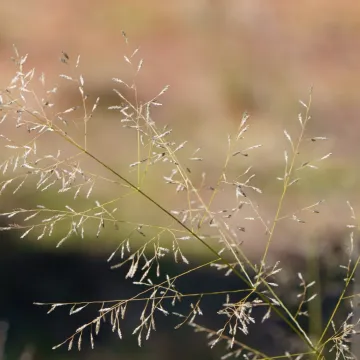
The plant features a bunch-type growth habit with slender leaf blades and distinctive, open panicle inflorescences characterized by fine, hairy branches. Its root system is robust, providing excellent soil anchorage and enabling the plant to withstand extended dry periods. As a warm-season grass, its active growth phase is triggered by rising temperatures and sufficient moisture availability during late spring and summer.
Originating from parts of Africa, Eragrostis trichophora has been successfully introduced to various subtropical and tropical regions. It thrives in well-drained, sandy to loamy soils. Its ability to tolerate low-fertility conditions makes it an ideal candidate for restoring degraded landscapes and establishing permanent pastures on land unsuitable for more intensive row crops.
Agronomic management of this species focuses on successful establishment. Due to the small size of the seeds, planting must be performed at shallow depths into a finely prepared, firm seedbed. Once established, the grass is relatively low-maintenance, although controlled grazing or timely mowing is essential to prevent the forage from becoming overly mature and losing its nutritional value.
Key agricultural uses include:
- Establishment of sustainable, low-input pastures for cattle and small ruminants.
- Production of forage hay when harvested at the vegetative stage.
- Soil stabilization in erosion-prone areas to improve land health.
Regarding pest and disease resistance, the plant exhibits good natural immunity compared to more domesticated cereal crops. Monitoring for common grass pests and fungal leaf diseases during high-humidity periods is recommended to ensure high yield stability, although the need for chemical intervention is typically low under balanced management conditions.
Photo gallery