Winter aconite
Eranthis hyemalis (L.) Salisb.
Description
Winter aconite (Latin: Eranthis hyemalis) is a small but resilient perennial plant belonging to the Ranunculaceae family. Known as an ephemeral plant, it marks the very beginning of the spring season by emerging through frozen or thawing soil, often appearing as early as late winter in temperate regions.
The native distribution of Eranthis hyemalis spans across Southern Europe and parts of Western Asia. It typically thrives in deciduous woodlands and shaded slopes where it can access sunlight before the tree canopy fully develops. Its natural habit of growth makes it an excellent choice for naturalizing in garden landscapes.
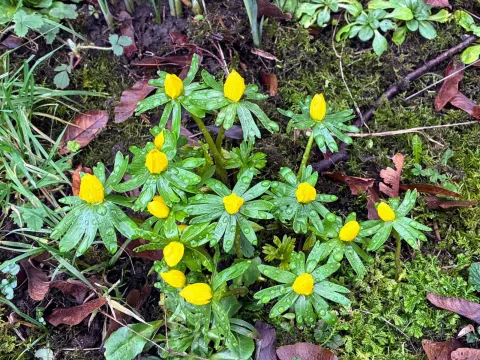
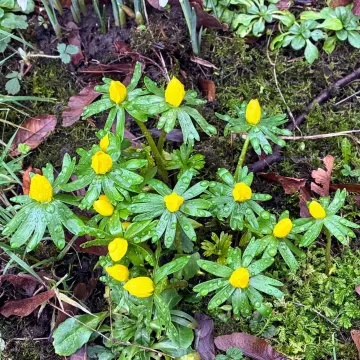
Botanically, the plant develops from tuberous roots. Each flowering stem produces a single bright yellow cup-shaped blossom, framed by a ruff of deeply divided green leaves. The vegetative phase is brief; following the production of seeds, the foliage yellows and dies back, leaving the plant dormant underground until the next cycle.
Successful cultivation requires well-drained, humus-rich soil that stays moist but not waterlogged during the spring. The plant thrives in semi-shaded areas under deciduous trees. Proper planting time is autumn, ensuring the tubers are placed at a depth of about 5 cm. Once established, they form colonies and require little to no human intervention.
From an agricultural and horticultural perspective, the plant is remarkably disease-resistant. However, caution is advised as all parts of the plant are toxic if ingested. Key threats include small mammals that may disturb the tubers and potential fungal issues if the soil remains excessively wet during the summer dormancy. It remains a staple for early-season pollinators.
Photo gallery